
The Final Paycheck: Your Options When an Employer Won't Pay
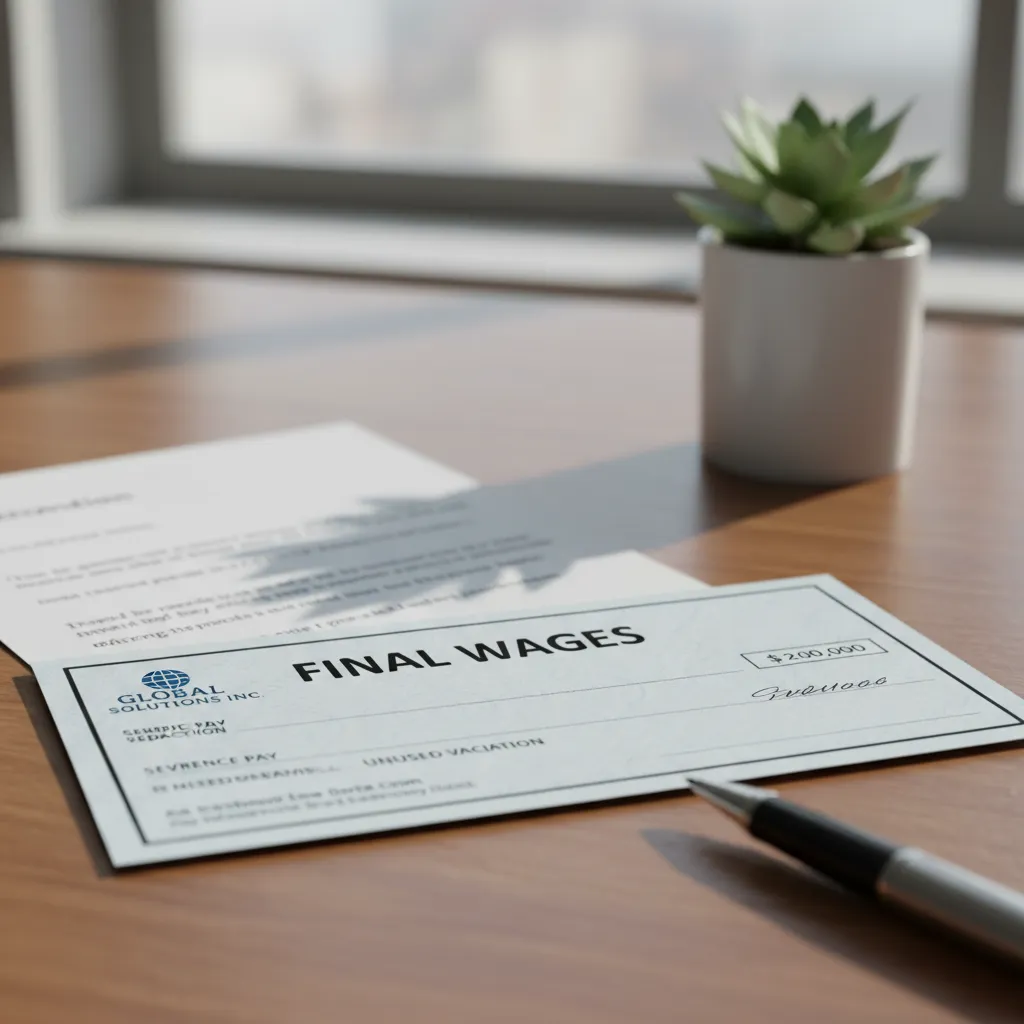
The Final Paycheck: Your Options When an Employer Won't Pay
You finally quit. Or maybe you were let go. Either way, you're ready to move on to your next chapter. There's just one problem: your last day was two weeks ago, and your final paycheck still hasn't hit your bank account.
You've emailed HR, and they said "it's being processed." You've texted your old boss, and they've left you on read. Meanwhile, your rent is due on the first, and that missing $1,842 is the difference between making the payment and getting a late fee.
When an employer holds your final check, they aren't just being "disorganized"—they are likely breaking the law. Every state has specific rules about when a final paycheck must be issued. If your old company is stalling, you have a few ways to get your money. Let's look at how they compare.
Option 1: The "Patient" Approach (Email and Text)
This is what most people do for the first week. You send polite reminders. "Hey, just checking in on that final check!" or "Is there a time I should come by to pick up my pay?"
The Reality: If they were going to pay you on time, they would have. Often, employers withhold a final check because they're "mad" you left, or they're trying to force you to return equipment (like a laptop or a uniform). While they might be able to charge you for unreturned items, in almost every state, they cannot legally hold your entire paycheck hostage.
Cost: Free Speed: Slow (and often goes nowhere) Effectiveness: Low
Option 2: Filing a Claim with the Department of Labor (DOL)
You can file a formal "Wage Claim" with your state's Department of Labor or the federal Wage and Hour Division.
The Reality: The DOL is a powerful ally, but they are also a government agency. That means they are chronically understaffed and overworked. Once you file a claim, it can take 3 to 9 months before an investigator even looks at your file. If you need your money for rent this month, the DOL isn't going to help you in time.
Cost: Free Speed: Extremely Slow (months) Effectiveness: High (eventually), but offers no immediate relief.
Option 3: Hiring an Employment Lawyer
You find a lawyer to write a "nastygram" to your former boss.
The Reality: Unless your final paycheck is for $10,000 or more, hiring a lawyer usually doesn't make sense. Most employment lawyers charge $300 to $500 per hour. Even a "simple" letter will likely cost you $500 to $1,000. If your missing check is only for $1,500, you'll end up losing half of it to legal fees just to get it.
Cost: High ($500 - $2,000+) Speed: Medium (1 - 2 weeks) Effectiveness: High
Option 4: The "Pro" Demand Letter via howtowritea.com
This is the "sweet spot" for most employees. It's a way to show your old boss you mean business without the high cost of a lawyer or the long wait of the government.
The Reality: Using howtowritea.com, you can generate a professional demand letter in about 10 minutes. The letter cites the specific labor laws in your state—many of which include "waiting time penalties."
In states like California, for example, for every day your employer is late with your final check, they may owe you a full day of wages as a penalty (up to 30 days). When an employer sees a professional letter mentioning "statutory penalties" and "treble damages," they usually find a way to get that check cut by the end of the day.
Cost: $9 - $29 Speed: Fast (Ready in minutes, delivered in 2-3 days) Effectiveness: Very High
Comparing Your Choices
| Feature | The "Patient" Way | Dept. of Labor | Lawyer | howtowritea.com |
|---|---|---|---|---|
| Upfront Cost | $0 | $0 | $500+ | $9 - $29 |
| Time to Money | Weeks/Never | 3-9 Months | 2-4 Weeks | 3-7 Days |
| Legal Teeth | None | High | High | Medium-High |
| Effort Level | Low | High (Paperwork) | Medium | Low |
Why the Demand Letter Works So Well
Employers count on the fact that most employees don't know their rights. They think you'll just go away if they ignore you long enough.
A formal demand letter sent via Certified Mail changes that. It creates a legal record. It shows them that you do know about the penalties they are accruing. Most importantly, it makes it cheaper for them to just pay you than to risk a lawsuit or a DOL audit.
When you use howtowritea.com, the letter doesn't sound like a frustrated ex-employee; it sounds like a legal professional. That "shift in tone" is often all it takes to get your money released.
Don't Leave Your Money on the Table
You worked those hours. You earned that money. Your former employer has no right to keep it, regardless of why you left or whether you still have their office key in your junk drawer.
If your check is late, stop sending "checking in" texts. Take ten minutes to draft a professional demand letter at howtowritea.com. It’s the fastest, most affordable way to get your final paycheck out of their hands and into your bank account.
Go get what you're owed.