
How to Request a Rent Abatement for Uninhabitable Conditions
How to Request a Rent Abatement for Uninhabitable Conditions
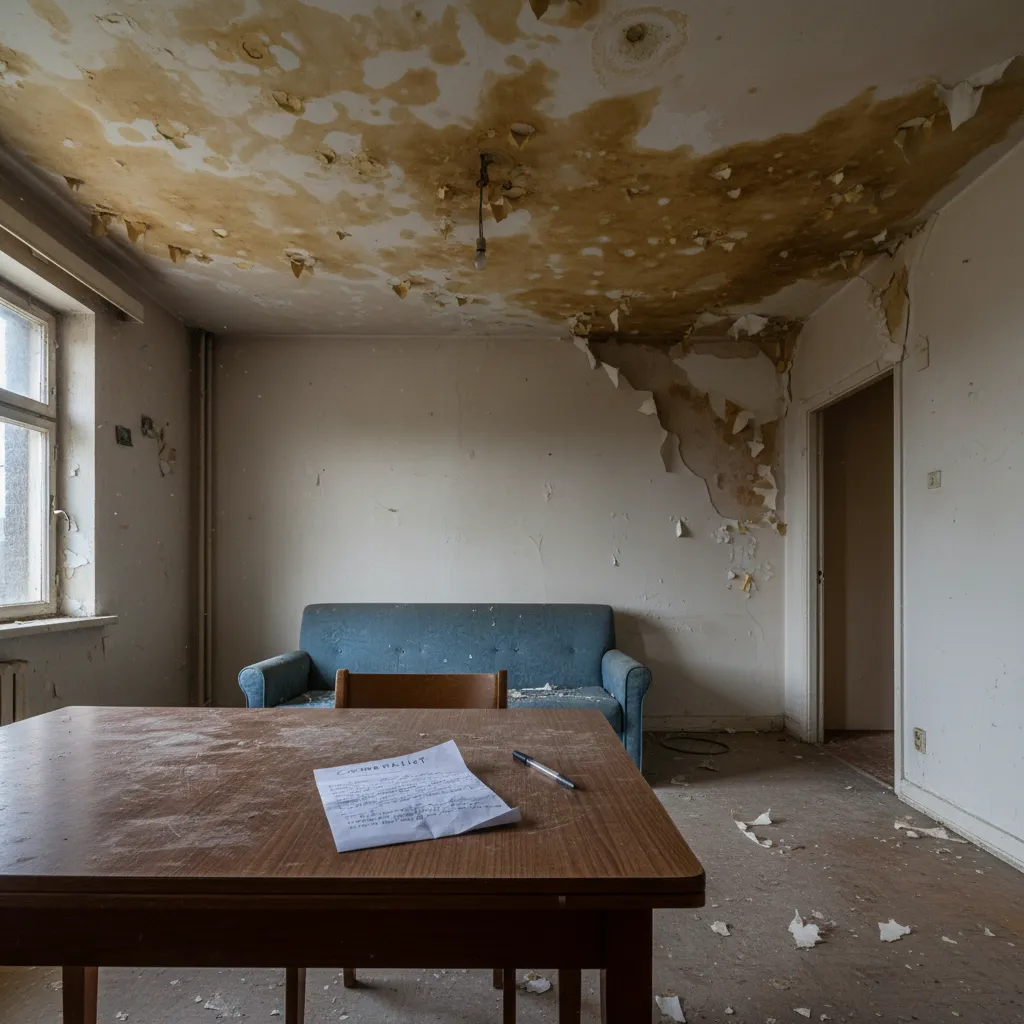
You pay your rent on time every month. In exchange, you expect a place that is safe, clean, and functional. But for the last three weeks, your kitchen sink has been leaking, there's a growing patch of black mold in the bathroom, and the heat only works in the middle of the night.
You've called the landlord. You've sent "friendly" texts. But the repairs haven't happened.
When your apartment isn't fully "habitable," you shouldn't have to pay full price for it. This is where "Rent Abatement" comes in. A rent abatement is a formal reduction in rent to compensate you for the loss of use of part of your home or for the decrease in its value due to poor conditions.
Here is exactly how to request a rent abatement and get the repairs you need.
Step 1: Understand the "Warranty of Habitability"
In almost every state, there is an "implied warranty of habitability." This is a legal promise that every landlord makes (even if it's not in the lease) to keep the property fit for human living.
Things that violate the warranty of habitability include:
- No heat or hot water.
- Active mold growth.
- Pest infestations (rats, roaches, bedbugs).
- Broken locks or windows that compromise security.
- Major plumbing or electrical issues.
If your issue is just a "cosmetic" problem (like an ugly carpet or a chipped counter), you likely aren't entitled to an abatement. But if it affects your health, safety, or basic daily living, the law is on your side.
Step 2: Document the Damage
Before you ask for a dime, you need "evidence."
What to collect:
- Photos and Video: Take clear, timestamped photos of the issue. If it's a leak, take a video of the water dripping.
- The Repair Log: Write down every time you contacted the landlord about the issue. "Called on Jan 5th at 2:00 PM - spoke to Mike. Texted on Jan 8th - no response."
- Professional Reports: If you're dealing with mold, consider paying $100 for a professional mold test. If the city sends a building inspector, get a copy of their report.
- Out-of-Pocket Costs: If you had to buy a space heater because the furnace broke, or stay in a hotel for a night, keep those receipts.
Step 3: Calculate a "Fair" Abatement
You can't just stop paying rent entirely (that's called "rent withholding," and it's much riskier). Instead, you should ask for a percentage reduction based on how much of the apartment you can't use.
- The "Percentage of Use" Method: If you have a two-bedroom apartment and one bedroom is unusable due to a roof leak, you might ask for a 25-30% reduction.
- The "Market Value" Method: If the average rent for a "no-heat" apartment is $0, but you're paying $2,000, you have a strong argument for a massive abatement.
Usually, a 20% to 50% abatement is considered "reasonable" for major issues that don't make the apartment totally unlivable.
Step 4: Send a Formal Demand Letter
A "complaint" to your landlord is just noise. A "Demand for Rent Abatement" is a legal action. You need to put your request in a formal letter that cites the law.
What your letter should include:
- The specific dates the issue has persisted.
- A list of previous attempts to get it fixed.
- Citations of the state's "Warranty of Habitability" laws.
- Your specific demand (e.g., "I am requesting a 30% reduction in rent for the month of February, totaling $600").
- A deadline for the repairs to be completed before you take further action (like calling the housing board or filing in small claims court).
Writing this letter can be intimidating because you don't want to accidentally say something that could lead to an eviction notice. This is why howtowritea.com is so useful. For $9 to $29, you can generate a professional, legally-informed Rent Abatement Demand. It uses the right "housing law" terminology that makes landlords realize you can't be ignored.
Step 5: Send it via Certified Mail
Never send this via email alone. Send it USPS Certified Mail with Return Receipt Requested. This gives you a legal record that the landlord received your demand. If you end up in court later, this receipt is what proves you gave the landlord a "reasonable opportunity" to fix the problem.
Step 6: Negotiate
Many landlords will respond to a formal letter by offering a smaller amount. For example, if you ask for $600, they might offer $300.
If the repairs are finally getting done, it might be worth taking the $300 to keep the relationship professional. But if the repairs still aren't happening, do not sign anything that waives your right to further abatement or legal action.
A Note on "Rent Withholding"
In some states, you are allowed to "withhold" rent entirely until repairs are made. Do not do this without talking to a lawyer or a local tenants' rights group first. If you do it wrong, your landlord can file for eviction for "non-payment of rent," even if the apartment is a mess.
A "Rent Abatement Request" is much safer because you are still acknowledging your duty to pay some rent, you're just disputing the amount based on the quality of the product you're receiving.
Take Back Your Home
You are not a "difficult" tenant for wanting what you pay for. You are a consumer who is receiving a defective product.
Don't spend another night in a freezing or moldy apartment. Document the issues, calculate your loss, and use howtowritea.com to send a formal demand today. It’s the fastest way to get your landlord's attention and get the money—and the repairs—you deserve.
Your home should be your sanctuary, not a source of stress. Go get it fixed.