
The Neighbor's Oak: How a Fallen Tree Almost Ruined a 20-Year Friendship
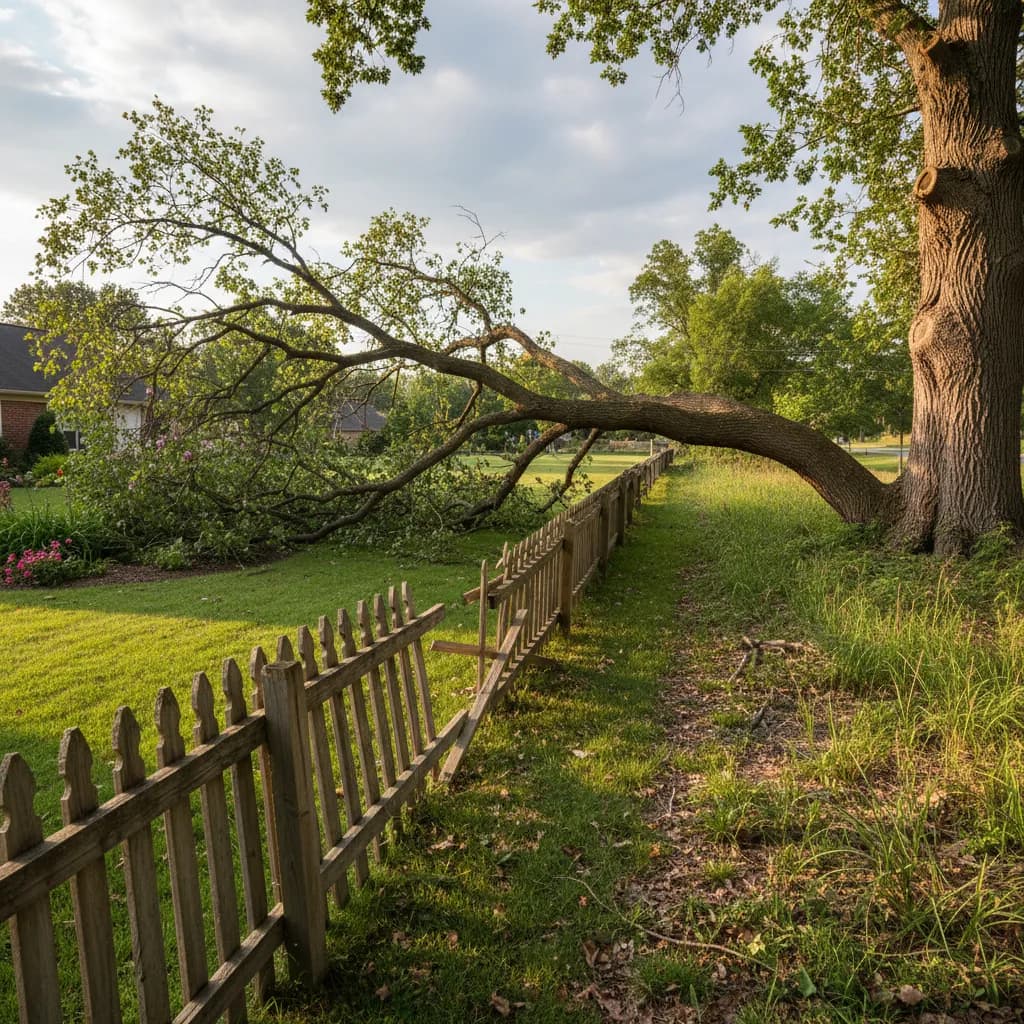
The Neighbor's Oak: How a Fallen Tree Almost Ruined a 20-Year Friendship
Jim and Mike had been neighbors for twenty years. They shared lawn mower tips, watched each other's kids grow up, and had countless beers over the white picket fence that separated their backyards.
But then came the "Great Storm of '25."
During a night of 60-mph winds, a massive, rotting oak tree in Mike's yard finally gave up. It crashed through the fence and landed squarely on Jim's detached garage, crushing the roof and pinning Jim's vintage motorcycle underneath.
"I wasn't even mad at first," Jim said. "I figured, that's what insurance is for. Mike felt terrible, I felt bad for him, and we both called our agents the next morning."
That's when the friendship started to fray.
The Insurance "Dead End"
Jim's insurance company told him that since the tree fell from Mike's yard, it was Mike's responsibility. Mike's insurance company told him that since the tree fell due to an "Act of God" (the storm), it was Jim's responsibility to cover his own property.
"The insurance companies were basically pointing at each other and doing nothing," Jim said. "But the reality was that I had a $12,000 repair bill and Mike had a dead tree that he had known was rotting for three years."
Jim had sent Mike a text a year earlier with a photo of the fungi growing at the base of the oak, saying, "Hey Mike, you might want to have a pro look at this tree, it's looking a bit sketchy." Mike had replied, "Yeah, I'll get to it eventually."
Because Mike knew the tree was a hazard and did nothing, the "Act of God" defense didn't actually apply. This was a case of "negligence."
The Conflict: "It's Just a Tree, Jim"
When Jim asked Mike to pay the $1,000 insurance deductible and the $3,000 in "depreciation" that the insurance wouldn't cover, Mike's tone changed.
"Look, Jim, it was a storm," Mike said. "I can't control the weather. My insurance said they aren't liable, so I'm not liable. We've been friends for twenty years, don't make this a 'thing.'"
Jim was stuck. If he let it go, he was out $4,000. If he pushed, he'd lose his best friend. "I felt like Mike was using our friendship as a shield to avoid his responsibility," Jim said.
The Strategy: The Professional Demand Letter
Jim realized that arguing with Mike on the driveway was getting them nowhere. Every conversation ended in Mike getting defensive and Jim getting angry. He needed to move the dispute from "personal" to "legal."
He used howtowritea.com to draft a formal "Demand for Damages." The letter was calm, factual, and professional. It didn't mention their 20-year friendship; it mentioned the specific dates Jim had warned Mike about the tree and cited the state's "Negligence and Premises Liability" laws.
The letter stated: "Because you were put on notice of the hazardous condition of the tree on [Date] and failed to take corrective action, the damage is not considered an 'Act of God' but a result of owner negligence."
The Result: The "Third Party" Solution
Jim sent the letter via Certified Mail. He also sent a text to Mike saying: "Hey Mike, I'm sending over a formal letter regarding the garage. I'm not doing this to be a jerk, but I need a formal record so I can push your insurance company to re-evaluate their decision. It's nothing personal, just the process."
That text was the key. It gave Mike an "out." Instead of seeing the demand as an attack from Jim, he saw it as a "legal necessity" for the insurance companies to talk to each other.
When Mike showed the formal demand letter to his insurance agent, the agent realized Jim had a paper trail of the "prior notice." The insurance company's stance shifted. They realized that if Jim went to court, he would win.
Two weeks later, Mike's insurance company called Jim and offered to pay the full repair cost, including the deductible.
How You Can Do the Same
If a neighbor's property (tree, fence, or water runoff) has damaged your home, don't let "friendship" cost you thousands of dollars.
- Keep Your Warnings. If you ever see a hazard on a neighbor's property, send them a text or an email about it immediately. That "notice" is the difference between an "Act of God" and "Negligence."
- Take "Before and After" Photos. Show the rot in the tree or the lean in the fence before it falls.
- Separate the Person from the Process. Tell your neighbor you are sending a formal demand so the insurance companies will take it seriously. It takes the emotional heat out of the room.
- Use a Professional Tool. A letter from howtowritea.com carries weight because it uses the right legal language. It makes the neighbor (and their insurer) realize you aren't just "complaining"—you're preparing.
Jim and Mike are still friends. They had a beer together last Saturday. "The letter actually saved the friendship," Jim said. "It took the 'he-said, she-said' out of it and let the professionals handle the money. Now we can go back to just being neighbors."
Don't let a fallen tree crush your finances or your friendships. Get the professional demand you need to move things forward.