
Car Total Loss: DIY vs Public Adjuster vs Hiring a Lawyer
Car Total Loss: DIY vs Public Adjuster vs Hiring a Lawyer
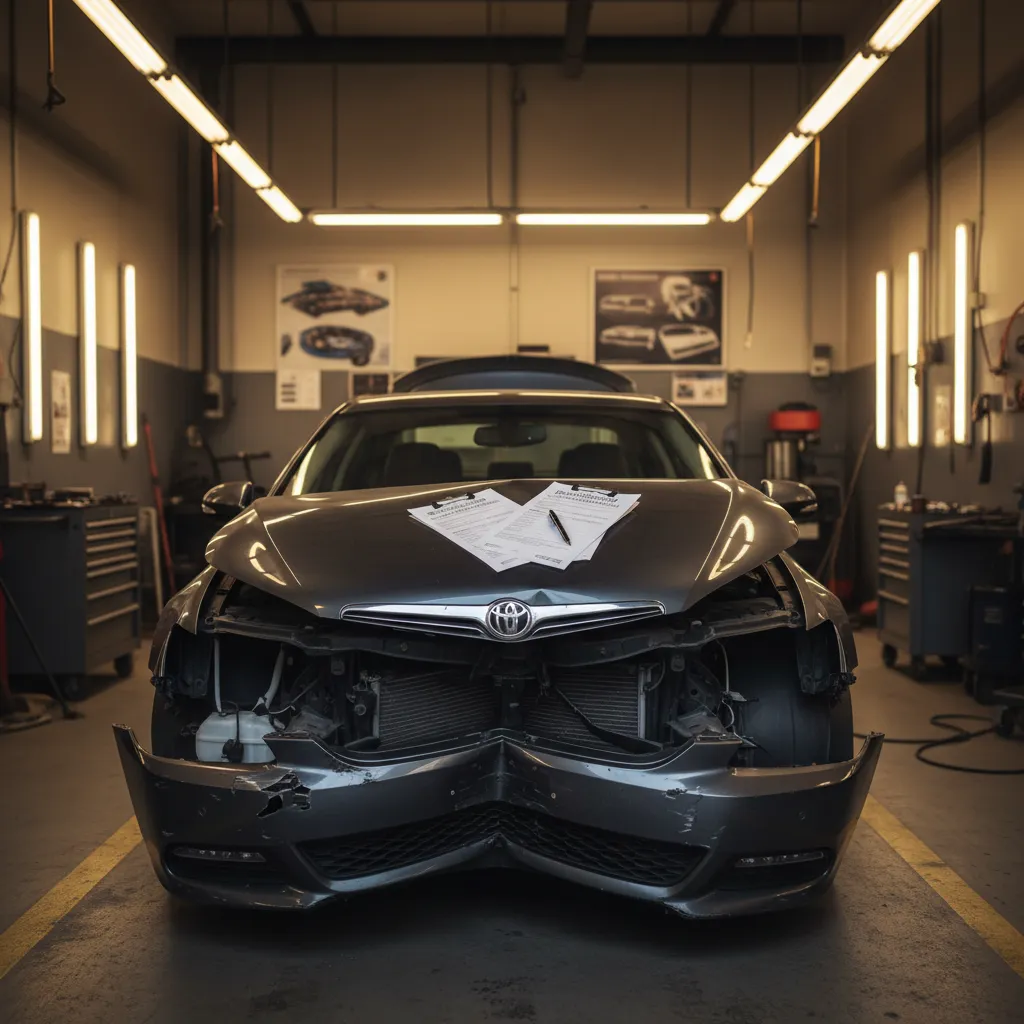
Your car is a "total loss." Whether it was a fender bender that bent the frame or a major highway collision, the result is the same: the insurance company says the cost to fix it is more than what the car is worth.
Now comes the "valuation" phase. The insurance adjuster calls you and offers $14,500 for your 2021 SUV. You look online and see that the cheapest equivalent car within 100 miles is $18,200. Plus, you just put $1,200 worth of new Michelin tires on it last month.
When you're facing a "lowball" total loss offer, you have three main paths to get the money you need to actually replace your vehicle. Here is how they compare.
Option 1: The "Patient" DIY Approach
This involves doing your own market research and "haggling" with the adjuster.
The Reality: Insurance adjusters use software like CCC One or Mitchell to generate a "market valuation report." These reports often use "comparable" cars that are in different cities, have higher mileage, or have fewer features than yours. If you just say "that's too low," the adjuster will say "that's what the software says."
Pros:
- It's free.
- You can sometimes get a $500 to $1,000 "bump" just by being persistent.
Cons:
- Information Gap: The adjuster does this 40 times a week. You do it once every five years. They know how to "shut down" your arguments.
- Tire/Upgrade Loss: They rarely give you "dollar-for-dollar" value for new parts or upgrades unless you fight for them.
- Time Sink: You'll spend hours on the phone and scrolling through Autotrader.
Cost: $0 Likelihood of Fair Payout: Low to Medium
Option 2: Hiring a Public Adjuster
A public adjuster is a licensed professional who works for you, not the insurance company. They specialize in property and auto claims.
The Reality: A public adjuster will do a deep dive into your car's value, find better "comps," and handle all negotiations with the insurer. However, public adjusters almost always work on a contingency fee, usually 10% to 15% of the total settlement.
If they get your payout up from $14,000 to $16,000, you'll owe them $2,400. You actually end up with less money in your pocket than the original lowball offer. Because of this, public adjusters are usually only worth it for high-end luxury cars or classic vehicles where the dispute is over $20,000+.
Pros:
- Expertise: they know the "games" insurers play.
- Hands-Off: They handle all the paperwork.
Cons:
- The Fee: It often eats up any "gain" they make for you.
- Availability: Many public adjusters won't take "standard" car claims because the commission isn't high enough.
Cost: 10% - 15% of payout Likelihood of Fair Payout: High (but lower net)
Option 3: Hiring a Personal Injury/Property Lawyer
You find an attorney to sue the insurance company for "bad faith" or breach of contract.
The Reality: Unless you were seriously injured in the accident, hiring a lawyer for a property-damage-only claim is almost impossible. Lawyers don't want to spend 20 hours on a case to win you an extra $3,000. If they charge by the hour ($300+), you'll spend more on the lawyer than the car is worth.
Pros:
- Maximum Intimidation: Insurers hate being sued.
Cons:
- Cost-Prohibitive: Only makes sense if there are huge medical bills involved.
- Timeline: A lawsuit can take 12 to 24 months. You need a car now.
Cost: $2,000+ or 33% contingency Likelihood of Fair Payout: High (but very slow)
Option 4: The Professional Demand via howtowritea.com
This is the "pro-level" DIY path. You use a tool that helps you gather your evidence and present it in a formal, legally-informed demand letter.
The Reality: Using howtowritea.com, you can generate a formal "Total Loss Valuation Dispute." The letter cites the specific "Appraisal Clause" in your insurance policy—a clause that almost every policy has but adjusters never mention.
The letter includes your own list of "local comps" and itemizes your recent upgrades (tires, brakes, etc.). When an adjuster sees a professional, formal demand citing the "Appraisal Clause" and state consumer protection laws, they realize you are a "sophisticated" claimant. They would rather settle with you for an extra $2,000 than go through the expensive formal appraisal process.
Pros:
- The Cost: It's $9 to $29.
- The "Appraisal Clause" Leverage: This is the "secret weapon" that forces insurers to be honest.
- Speed: You can send the demand the same day they give you the lowball offer.
- Professionalism: It moves your file from the "clueless" pile to the "litigation risk" pile.
Cons:
- Limited to Demand: You still have to do the work of finding 3-4 local "comps" to include in the letter.
Cost: $9 - $29 Likelihood of Fair Payout: High
Comparison Table
| Feature | "Haggling" | Public Adjuster | Lawyer | howtowritea.com |
|---|---|---|---|---|
| Upfront Cost | $0 | $0 | $1,500+ | $9 - $29 |
| Fee % | 0% | 10 - 15% | 33 - 40% | 0% |
| Speed | 1 - 2 Weeks | 2 - 4 Weeks | 1+ Year | 1 - 2 Weeks |
| Net Payout | Low | Medium | High (Slow) | High (Fast) |
Why the Demand Letter is the Smart Move
Insurance companies are essentially "math machines." They offer you the lowest amount that they think you will accept. If you act like someone who will accept a lowball offer, you'll get one. If you act like someone who knows about "Appraisal Clauses" and "Actual Cash Value" definitions, the math changes.
A professional demand letter via howtowritea.com makes it more expensive for the insurance company to fight you than to just pay you the fair market value.
Don't Settle for Less
Your insurance premiums are based on the value of your car. When that car is gone, you are entitled to enough money to buy an equivalent replacement—not just what their "black box" software says.
Stop arguing with the adjuster on the phone. Take fifteen minutes to draft a professional, firm valuation dispute at howtowritea.com. It’s the fastest, most affordable way to get the check you need to get back on the road.
Your car was an asset. Make them treat it like one.