
Stop Collector Calls: How to Send a Cease and Desist That Actually Works
Stop Collector Calls: How to Send a Cease and Desist That Actually Works
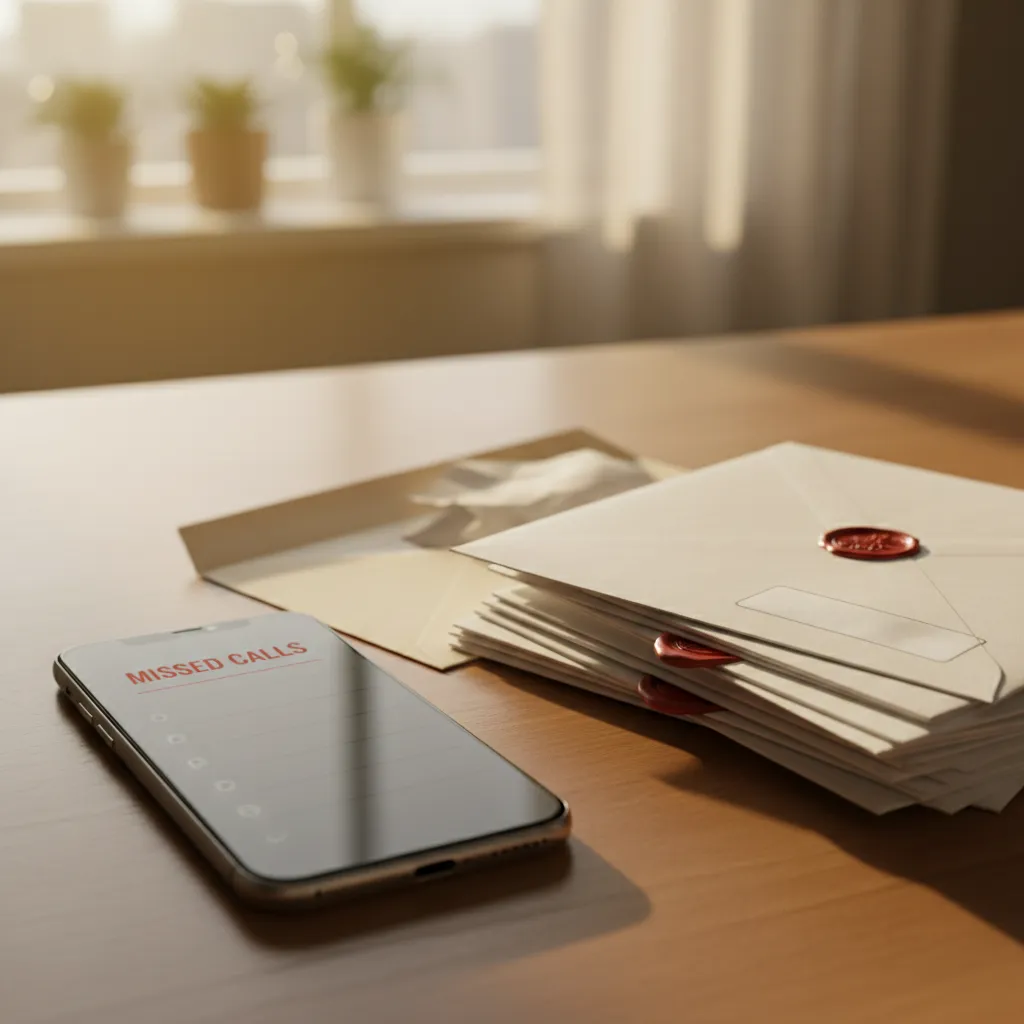
The phone rings at 8:01 AM. Then 10:30 AM. Then 2:00 PM. Sometimes it's a local number, sometimes it's an "Unknown" ID. When you answer, it's a robotic voice or a pushy "account representative" demanding money for a debt you might not even owe.
Debt collection harassment is a special kind of stress. It makes you afraid to answer your own phone. It follows you to work. It wakes you up on weekends.
The good news? You have the absolute legal right to make it stop. Under the Fair Debt Collection Practices Act (FDCPA), a federal law, you can tell a debt collector to stop contacting you, and they must comply. Here is exactly how to do it.
Step 1: Know Your "Cease and Desist" Rights
The FDCPA is clear: if you notify a debt collector in writing that you want them to stop contacting you, they are forbidden from contacting you again, with only two exceptions:
- To tell you that they are stopping their collection efforts.
- To notify you that they are taking a specific legal action (like filing a lawsuit).
That's it. They can't call to "remind" you. They can't call to "negotiate." They must go silent.
Step 2: Don't Do It Over the Phone
You might be tempted to just yell "Stop calling me!" into the phone. This does not work. Debt collectors are trained to ignore verbal requests. They will claim they didn't hear you, or that the person they were talking to didn't "verify" their identity.
To trigger your FDCPA rights, the request must be in writing.
Step 3: Draft the "Cease and Desist" Letter
You don't need a lawyer to write this letter, but you do need to use the right language to show the collector you know the law.
What your letter should include:
- Your name and address.
- The collector's name and address.
- The account number (if you have it).
- A clear statement: "Under the FDCPA, I am demanding that you cease and desist all communication with me regarding this account."
- A specific instruction to not contact you at home, at work, or via cell phone.
- A mention that any further contact will be documented and reported to the Consumer Financial Protection Bureau (CFPB) and your State Attorney General.
Writing this letter can feel intimidating, especially when you're already feeling overwhelmed by debt. This is why howtowritea.com is such a powerful tool. For $9 to $29, you can generate a professional, legally-sound Cease and Desist letter. It uses the exact terminology that debt collection agencies are trained to respect.
Step 4: Send It via Certified Mail
This is the most important part of the process. Send the letter via USPS Certified Mail with Return Receipt Requested.
The "Return Receipt" (the green postcard) is your proof that the collector received the letter. Once they sign for that letter, the "legal clock" starts. If they call you even once after signing for that letter, they are in "willful violation" of the FDCPA.
Step 5: What Happens Next?
Once the collector receives the letter, the calls should stop within a few days. If they do call again:
- Don't talk to them.
- Note the date and time.
- Save the caller ID info.
Each violation of the FDCPA can entitle you to up to $1,000 in statutory damages, plus your attorney's fees. There are lawyers who specialize in "FDCPA Litigation" who will take your case for free because they get paid by the debt collector when they win. Your Certified Mail receipt is the key evidence these lawyers need to win your case.
Step 6: A Word on the Debt Itself
Stopping the calls does not make the debt go away. The collector can still report the debt to credit bureaus, and they can still sue you in court.
However, stopping the "noise" of the daily phone calls gives you the mental space to actually deal with the debt. You can then choose to settle the debt, dispute it via a "Debt Validation" letter, or talk to a bankruptcy attorney—all without the constant pressure of harassment.
Step 7: "Limited" Cease and Desist
If you want to talk to them but only in writing, you can send a "Limited Cease and Desist." This tells them they can only contact you via USPS mail and are forbidden from calling your phone. This is often the best strategy if you want to negotiate a settlement but are tired of the aggressive phone calls.
Regain Your Peace of Mind
You are a human being, not a "debtor" to be bullied. The law was created to protect you from predatory collection tactics.
Don't spend another day jumping every time your phone rings. Take fifteen minutes to draft a professional, firm Cease and Desist letter at howtowritea.com. It’s the fastest, most affordable way to get the silence—and the peace—you deserve.
Your phone belongs to you. Take it back.