
Getting Your Bank Overdraft Fees Refunded: DIY vs. Automation
Getting Your Bank Overdraft Fees Refunded: DIY vs. Automation
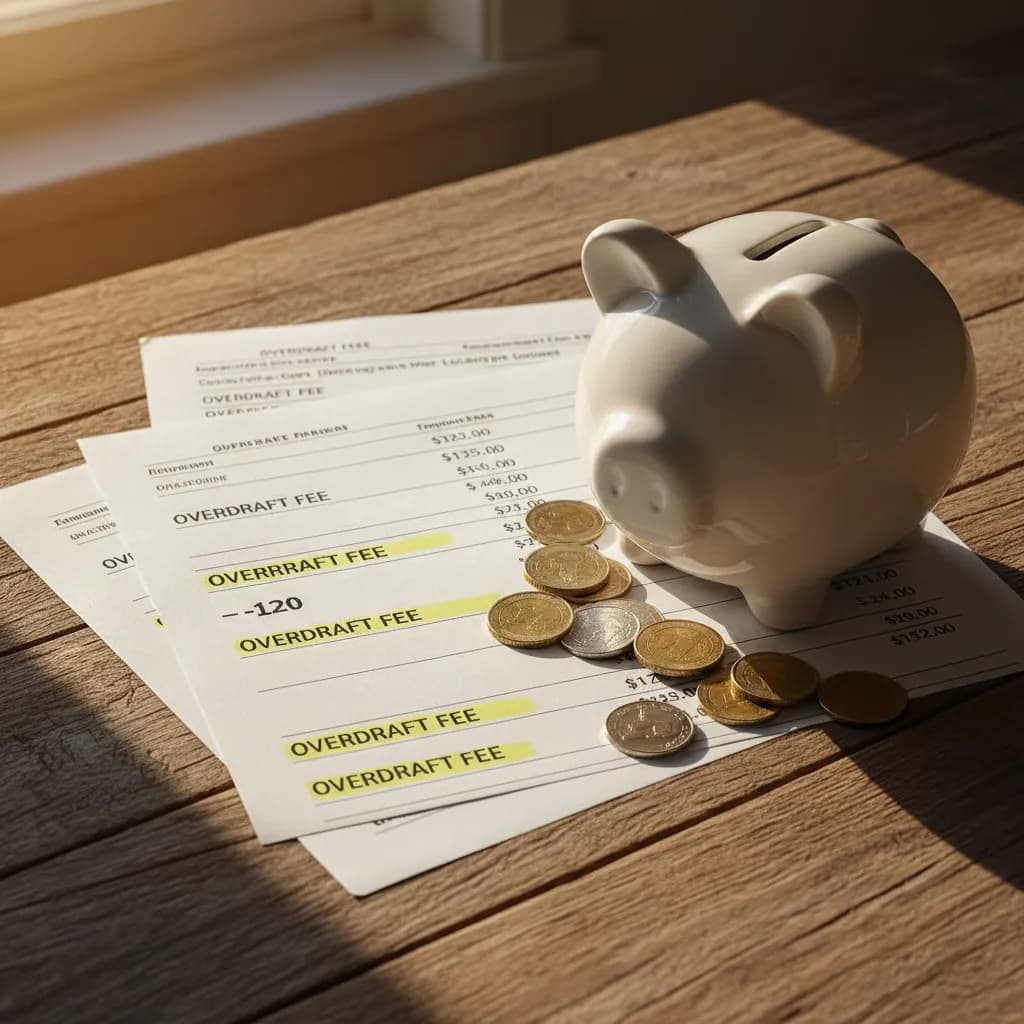
It happens to the best of us. A subscription hits a day early, a paycheck clears a day late, and suddenly you're looking at a -$12.00 balance—with a $35.00 'Overdraft Fee' tacked on top.
Bank fees are a multibillion-dollar industry. In fact, many large banks make more from fees than they do from traditional interest. But here is a secret the banks don't want you to know: these fees are highly negotiable. You just have to know how to ask.
If you are looking to get your money back, you generally have three options. Let's look at how they stack up.
Option 1: The Phone Call (The 'Friendly' DIY)
The most common way people try to get a refund is by calling the customer service line or walking into a branch.
- How it works: You wait on hold for 20 minutes, get a representative, and say, "I've been a loyal customer for five years, can you please waive this fee?"
- The Pros: It's free and can be immediate. If you've never had an overdraft before, the teller usually has the authority to waive one 'courtesy' fee per year.
- The Cons: It's time-consuming and emotionally draining. If you have multiple fees, or if you've asked before, the answer is almost always a hard 'no.' They are trained to stick to the script.
- Success Rate: High for the first fee, very low for anything after that.
Option 2: The Formal Demand Letter (The 'Professional' Approach)
If you have multiple fees—say, a string of five $35 fees from a single bad weekend—the 'friendly' call rarely works. This is when you need to escalate to a formal demand letter.
- How it works: You send a written letter to the bank's compliance or customer relations department. You cite specific reasons why the fees are predatory or why the bank's own policies (like the order in which they process transactions) contributed to the mess.
- The Pros: Banks take written legal demands much more seriously than phone calls. It creates a paper trail and bypasses the low-level customer service reps who are told to say no.
- The Cons: Writing a legal-sounding letter from scratch is hard. If you don't use the right terminology, they might just ignore it.
- Success Rate: Very high, especially for larger amounts ($100+ in fees).
Option 3: Using howtowritea.com (The Efficient Middle)
This is the sweet spot between doing it yourself and hiring a lawyer (which would be overkill for a few hundred dollars).
- How it works: You use an automated tool to generate a professional demand letter specifically for overdraft refunds. You plug in your bank name, the dates of the fees, and the total amount.
- The Cost: $9 to $29.
- The Pros: You get a document that looks like it came from a law office. It uses the specific language banks look for—terms like 'unfair and deceptive practices' or 'improper transaction sequencing.' It saves you hours of research and writing.
- The Cons: It's not free, but if it gets you $175 back in fees, the $15 investment pays for itself ten times over.
- Success Rate: Extremely high. Banks often settle these quickly because the cost of having their legal team review your letter is higher than just giving you the $100 back.
Why Do Banks Charge So Much?
It's important to understand why you are fighting. Banks often 'reorder' your transactions. For example, if you have $100 in your account and you make four $10 purchases and then one $110 purchase, the bank might process the $110 purchase first.
This makes you overdraw immediately, so you get hit with five separate $35 fees ($175 total) instead of just one. Many consumer advocates consider this predatory, and it's a great point to include in a demand letter to howtowritea.com.
Which Option is Right for You?
If you have one single fee and a clean history, just call the bank. Be polite, ask for a 'one-time courtesy waiver,' and you'll likely get it.
If you have multiple fees, or if you've already been told no on the phone, don't give up. The phone rep is a gatekeeper; the demand letter is the key to the gate.
For anything over $70 in fees, using a tool to generate a professional letter is almost always worth the small cost. It turns a 'complaint' into a 'legal matter,' and banks treat those very differently.
Don't Let Them Keep Your Money
Overdraft fees are essentially high-interest loans that you never agreed to. If you are struggling to make ends meet, that $35 or $150 belongs in your pocket, not in a billionaire bank's quarterly profit report.
Whether you choose to call, write, or use an automated tool, the most important thing is that you act. Banks count on you being too tired or too embarrassed to fight back. Don't prove them right.