
Rent Abatement vs. Repairs: Which One Should You Fight For?
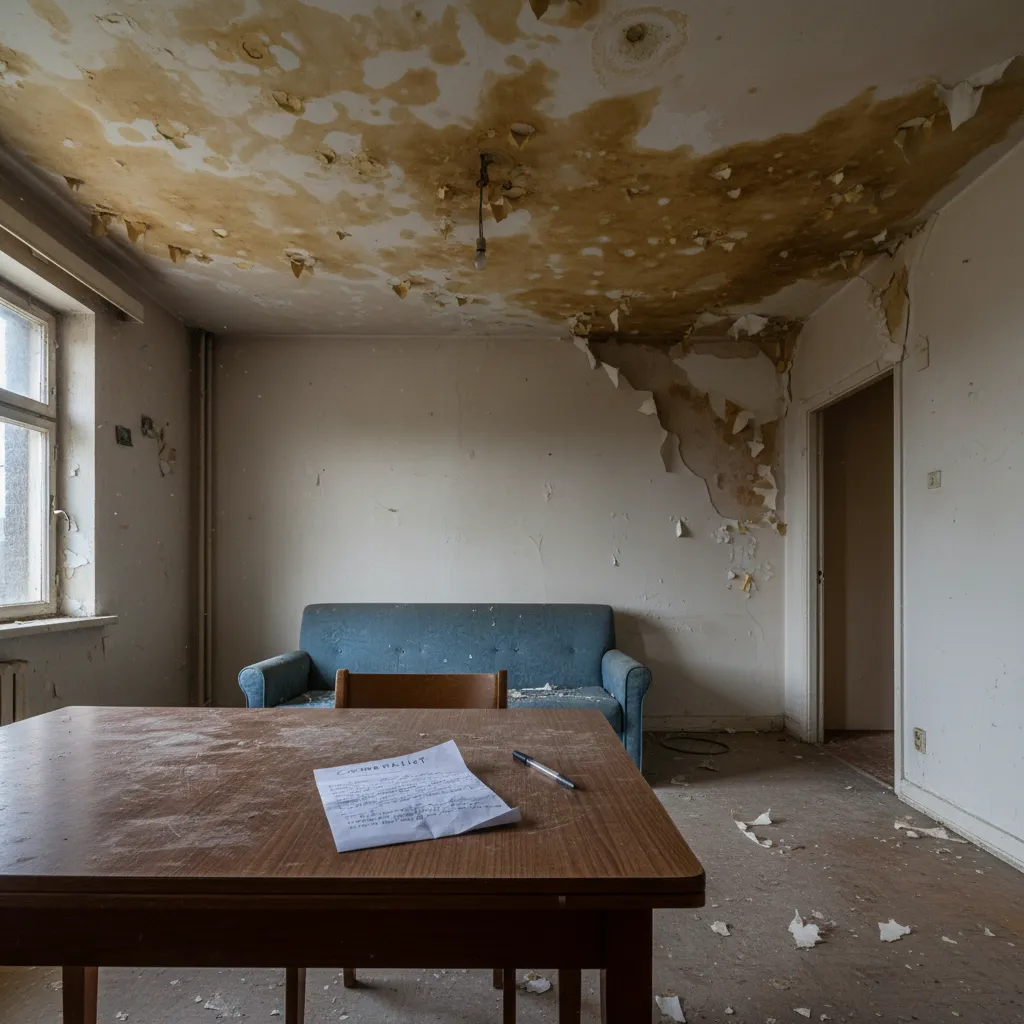
Rent Abatement vs. Repairs: Which One Should You Fight For?
You wake up to a puddle in your kitchen for the third time this week. You've called the landlord, you've sent texts, and yet, the leak remains. At this point, you're doing more than just waiting for a repair—you're paying full price for an apartment that isn't fully functional.
This is where many tenants get stuck. Do you keep pushing for the repair, or do you start asking for your money back?
The answer is often both, but understanding the difference between a standard 'repair request' and 'rent abatement' is the key to getting what you're owed.
What Exactly is Rent Abatement?
Most people understand a repair request: "My stove is broken, please fix it."
Rent abatement is different. It's a reduction in rent (or a refund of rent already paid) because the property was not in a habitable condition for a specific period. The logic is simple: if you're paying for a 2-bedroom, 2-bathroom apartment but the second bathroom is unusable due to mold, you shouldn't be paying 100% of the rent.
The DIY Approach vs. The Legal Route
When dealing with a landlord who won't fix things, you generally have three ways to handle it.
1. The 'Wait and See' (DIY)
This is what most people do. They keep sending polite texts and hope the landlord eventually shows up.
- Cost: $0 upfront.
- Risk: High. You lose leverage, you keep paying for a broken home, and there is no record of your legal demand.
- Likelihood of refund: Near zero.
2. Rent Abatement via Demand Letter
This is the middle ground. You send a formal legal demand stating that because the unit is uninhabitable (or partially so), you are entitled to a rent reduction.
- Cost: $9 - $29 using a tool like howtowritea.com.
- Benefit: It shows the landlord you know the 'Warranty of Habitability' laws. It creates a paper trail that can be used in court if they try to evict you for non-payment.
- Success Rate: High. Most landlords would rather give a $300 credit than deal with a legal dispute or a building inspector.
3. Hiring a Landlord-Tenant Attorney
If the issues are severe—like a total lack of heat in winter or a collapsed ceiling—you might think about a lawyer.
- Cost: $300 - $500 for a single consultation/letter; $2,000+ for a full case.
- Benefit: Total peace of mind and professional representation.
- Risk: The legal fees might actually be higher than the rent you're trying to get back.
When Are You Entitled to Abatement?
You can't get a rent reduction just because a cabinet door is squeaky. Most states require the issue to affect 'habitability.' This includes things like:
- Lack of heat, water, or electricity.
- Severe mold or pest infestations.
- Broken locks or windows that compromise security.
- Major plumbing leaks or sewage backups.
- Structural issues (floors, ceilings, stairs).
If your landlord takes two weeks to fix your heat in January, you have a very strong case for 100% abatement for those 14 days. If the elevator in your high-rise is out for a month and you live on the 12th floor, you have a strong case for partial abatement.
How to Calculate What You're Owed
There isn't a single universal formula, but judges and lawyers usually look at the 'percentage of use' lost.
- Total loss of use: If you had to stay in a hotel because of a flood, you owe $0 rent for those days, plus the landlord may owe you for the hotel cost.
- Partial loss of use: If one room out of four is unusable, asking for a 25% reduction for that time period is reasonable.
- Loss of essential services: No hot water? 15-30% reduction is a standard starting point for negotiations.
The Danger of 'Repair and Deduct'
Many tenants think they can just hire a plumber and take the cost out of next month's rent. Be extremely careful here. In many states, if you do this without following very specific notice procedures, the landlord can sue to evict you for 'shorting' the rent.
Always send a formal demand letter before you ever withhold a dime. It protects your status as a tenant.
Why a Demand Letter is Your Best Tool
Landlords tend to ignore 'complaints' but they rarely ignore 'demands.' A professional letter from howtowritea.com puts the landlord on notice that you understand your state's specific habitability laws.
It shifts the conversation from "When will you fix this?" to "How much money do you owe me for failing to fix this?" That change in dynamic is usually enough to get a repairman at your door within 24 hours.
Final Verdict
If the repair is minor, stick to the standard request. But if the problem is affecting your quality of life, your health, or your ability to use the space you pay for, you should fight for rent abatement.
Don't let your landlord profit from their own negligence. You're paying for a habitable home—if they aren't providing one, they don't deserve the full rent. Use a professional demand letter to stake your claim and get the credit you deserve.