
Neighbor's Tree or Fence Damage: Who is Legally Responsible?
Neighbor's Tree or Fence Damage: Who is Legally Responsible?
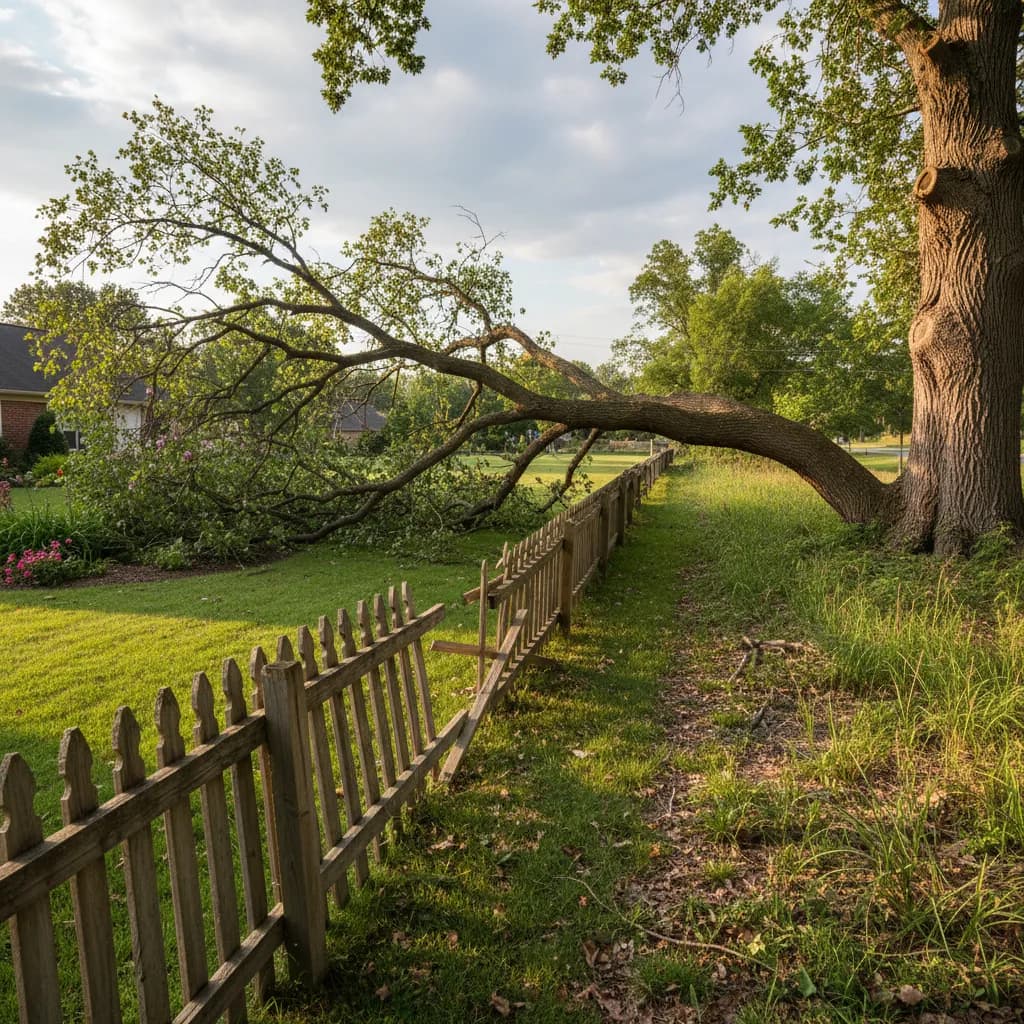
It starts with a storm, or maybe just years of neglect. You walk into your backyard and see it: your neighbor's massive oak tree has dropped a limb right through your shed. Or perhaps the shared fence between your properties has finally collapsed, and your neighbor is insisting it's 100% your problem to fix.
Property line disputes are some of the most common—and most heated—legal issues between homeowners. They turn friendly neighbors into enemies and often end up in small claims court.
But before you start a feud, you need to understand who is actually liable. The law isn't always as 'common sense' as you might think.
The Tree Dilemma: 'Act of God' vs. Negligence
The most common misconception is that if your neighbor's tree falls on your house, the neighbor is automatically responsible. In many states, this is actually false.
The 'Act of God' Rule
If a perfectly healthy tree falls during a major storm or wind event, most insurance companies and courts consider it an 'Act of God.' In this case, you are responsible for the damage to your own property, and your own homeowner's insurance has to cover it. Your neighbor owes you nothing.
The Negligence Rule
The neighbor is only liable if you can prove they were negligent. This means:
- The tree was dead, diseased, or unstable.
- The neighbor knew (or should have known) the tree was a hazard.
- They failed to take reasonable steps to fix it.
The Strategy: If you see a dead branch hanging over your house today, don't just tell your neighbor. Send them a professional letter. If that branch falls later, that letter is your proof that they were 'on notice' and are now legally liable for the damage.
The Fence Fight: Who Owns the Line?
Shared fences are a different beast. Many people assume they split the cost 50/50, but the law varies wildly by state and local ordinance.
- Boundary Fences: If the fence is built exactly on the property line, many states (like California) have 'Good Neighbor' laws that require both parties to share the cost of maintenance and replacement equally.
- Private Fences: If the fence is built even one inch inside your neighbor's property line, it is 100% their fence. They have total control over it, but they also have total responsibility for its upkeep. You cannot paint it or nail things to it without their permission.
Comparing Your Options for Resolution
When a dispute arises, you have a few ways to handle it. Here is how they compare in terms of cost and stress.
1. The Informal Chat
- Cost: $0
- Pros: Keeps the peace; might solve the problem immediately if you have a good relationship.
- Cons: If they say 'no,' you have no record of the conversation to use later in court.
2. Mediation
- Cost: $150 - $500
- Pros: A neutral third party helps you reach an agreement without a judge.
- Cons: It's voluntary. Your neighbor can just refuse to show up.
3. Professional Demand Letter
- Cost: $9 - $29 via howtowritea.com.
- Pros: It's a 'shot across the bow.' It shows the neighbor you've researched the local laws and are prepared to escalate. It often scares people into doing the right thing without the need for court.
- Cons: It can feel 'confrontational' to some neighbors, but it is necessary for legal protection.
4. Small Claims Court
- Cost: $50 - $200 filing fees + your time.
- Pros: You get a final, legally binding judgment.
- Cons: It will almost certainly end any hope of a friendly relationship with that neighbor. It can take months to get a hearing.
Why the Paper Trail is Everything
In tree and fence cases, the person with the best documentation usually wins. If your neighbor's tree looks dangerous, take a photo. Then, send a letter via howtowritea.com that clearly states your concerns.
If you don't have that letter, the neighbor can simply tell a judge, "I had no idea the tree was sick," and they will likely walk away without paying a dime.
Summary: What Should You Do Now?
- Check the property line. Don't guess. Use a survey or look for property markers.
- Assess the condition. Is the tree dead? Is the fence rotting? Take photos today.
- Send a formal notice. Whether you are asking for a repair or documenting a hazard, do it in writing.
A professional demand letter is the most cost-effective way to protect your home. It's much cheaper than a $2,000 insurance deductible or a $10,000 repair bill for a crushed roof. Don't wait for the storm to act—put your neighbor on notice now.