
Breaking Your Lease Due to Domestic Violence: A Guide to Your Rights
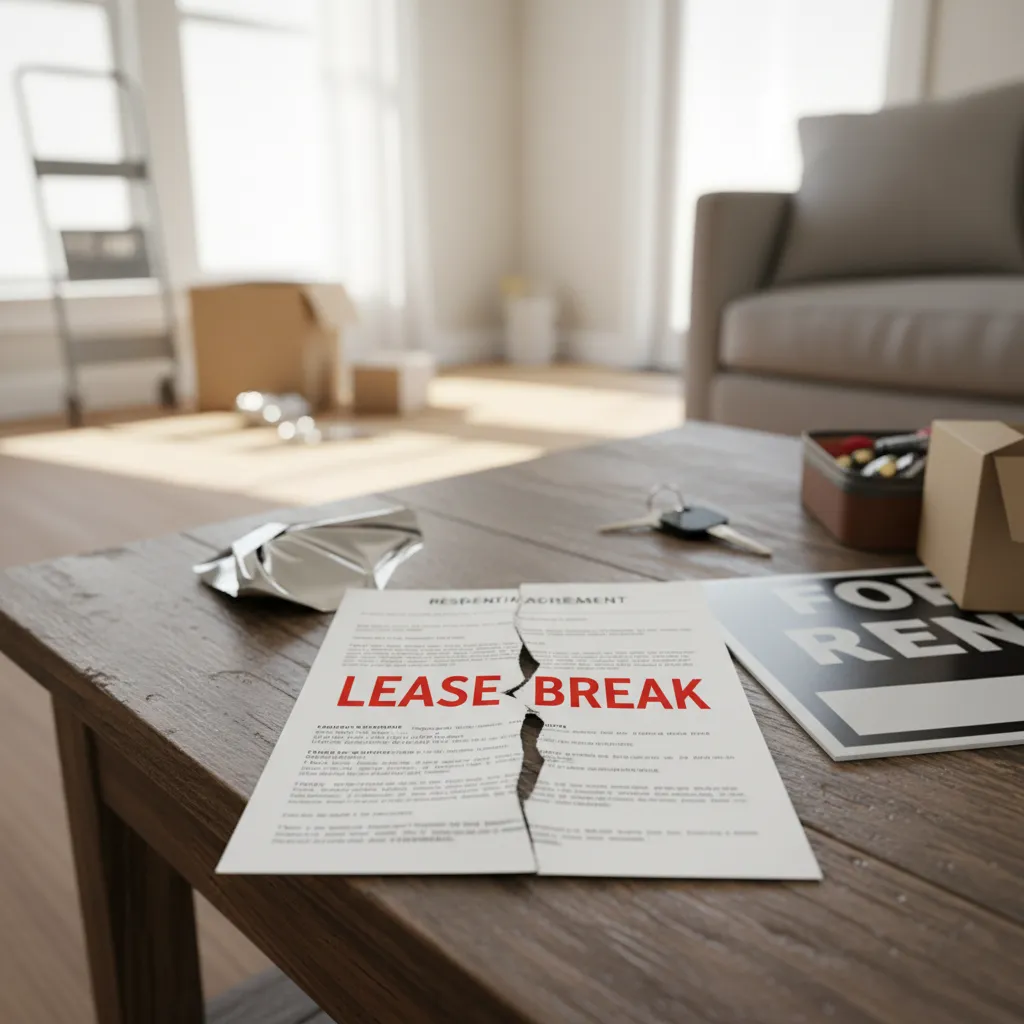
Breaking Your Lease Due to Domestic Violence: A Guide to Your Rights
When you are in a situation involving domestic violence, stalking, or sexual assault, your primary focus is safety. But for many survivors, the fear of financial ruin or a ruined credit score keeps them trapped. They worry about the thousands of dollars in "lease break fees" or being sued by a landlord for the remaining months of rent.
Here is the most important thing you need to know: In almost every state, the law provides a way for survivors of domestic violence to break their lease early without financial penalty.
Your lease is a contract, but it is not a cage. Here is exactly how to handle the process of legally ending your lease so you can move to a safe location.
Understanding the Law
Most states have specific statutes (often called "Safe Housing" laws) that allow victims of domestic abuse to terminate a rental agreement early. While the specifics vary by state, the general requirements are usually similar:
- You must provide written notice to your landlord.
- You must provide proof of the domestic violence (such as a protective order or a police report).
- You are typically only responsible for rent through the end of the notice period (usually 30 days).
You do not need your landlord's "permission" to do this. If you follow the legal steps, the lease is terminated by law.
Step 1: Secure Your Documentation
To trigger these legal protections, you generally need one of the following pieces of evidence:
- A Temporary or Permanent Restraining Order: This is the strongest form of proof.
- A Police Report: Specifically one that documents an incident of domestic violence, stalking, or sexual assault.
- Professional Certification: In some states (like California or Washington), a letter from a qualified third party—such as a licensed therapist, a domestic violence counselor, or a medical professional—is sufficient.
Make copies of these documents. You will need to provide one copy to your landlord, but keep the originals for your own records.
Step 2: Write Your Notice of Termination
You must notify your landlord in writing that you are ending your lease under the state’s domestic violence statutes. This shouldn't be a casual email or a text. It needs to be a formal legal notice.
What to include in your letter:
- The date you intend to move out.
- A specific reference to your state’s law (e.g., "Pursuant to California Civil Code Section 1946.7...").
- A statement that you or a household member is a victim of domestic violence, stalking, or sexual assault.
- A copy of your documentation (restraining order, police report, etc.) attached to the letter.
- Your request for the return of your security deposit.
Many survivors find this step overwhelming. If you aren't sure how to phrase the legal citations or want to ensure the letter is airtight, you can use howtowritea.com. The platform helps you generate a professional lease termination letter for domestic violence for a small fee ($9 to $29). It ensures the right laws are cited so your landlord cannot claim they didn't know their obligations.
Step 3: Deliver the Notice Safely
If it is safe to do so, send the letter via USPS Certified Mail with a return receipt requested. This provides you with proof that the landlord received it.
If you are in immediate danger and need to leave tonight, leave the letter on the kitchen counter or taped to the inside of the front door, and send a copy via email as well. However, follow up with a formal mailing as soon as you are in a safe location.
Step 4: Your Financial Obligations
In most states, your financial responsibility for the lease ends 30 days after you provide the notice. You are not responsible for the remaining months of the lease, and you cannot be charged a "lease break fee."
If you have a roommate or a co-signer who is not the abuser, their situation can be more complicated. In some states, the entire lease terminates for everyone. In others, only the survivor is released. Check your local laws or use the resources at howtowritea.com to clarify your specific situation.
Step 5: The Security Deposit
Your landlord still owes you your security deposit, minus any legitimate deductions for physical damage to the apartment. They cannot keep your deposit simply because you are breaking the lease early under these laws.
Ensure you provide a new forwarding address where it is safe for you to receive mail. If you are staying at a shelter or with a friend and want to keep your location private, consider using a P.O. Box or a trusted family member’s address.
Common Obstacles
"My landlord says I still owe for the whole year."
Landlords are not always experts in the law. Some may try to bully you into paying. If they do, remind them in writing of the specific state statute you cited in your letter. Once they realize you have documented proof and know the law, they almost always back down.
"I don't have a restraining order yet."
In many states, a police report or a letter from a doctor is enough. You don't always have to go through the full court process of a restraining order to get out of your lease.
"What if the abuser is on the lease too?"
The law still applies. You can leave, and in many jurisdictions, the landlord is required to change the locks (at your expense) if you choose to stay and have the abuser removed via a court order.
You Are Not Alone
Moving is stressful under the best circumstances. Doing it while fearing for your safety is a monumental task. Remember that there are resources available to help you:
- National Domestic Violence Hotline: Call 800-799-7233 or text "START" to 88788.
- Legal Aid: Most cities have free legal aid for survivors of domestic violence.
- Demand Letter Tools: howtowritea.com can help handle the paperwork side of the move so you can focus on your safety.
Your safety is worth more than any lease. The law is on your side—use it to get to a better place.