
Living with Mold: How Elena Got a Rent Abatement
Living with Mold: How Elena Got a Rent Abatement
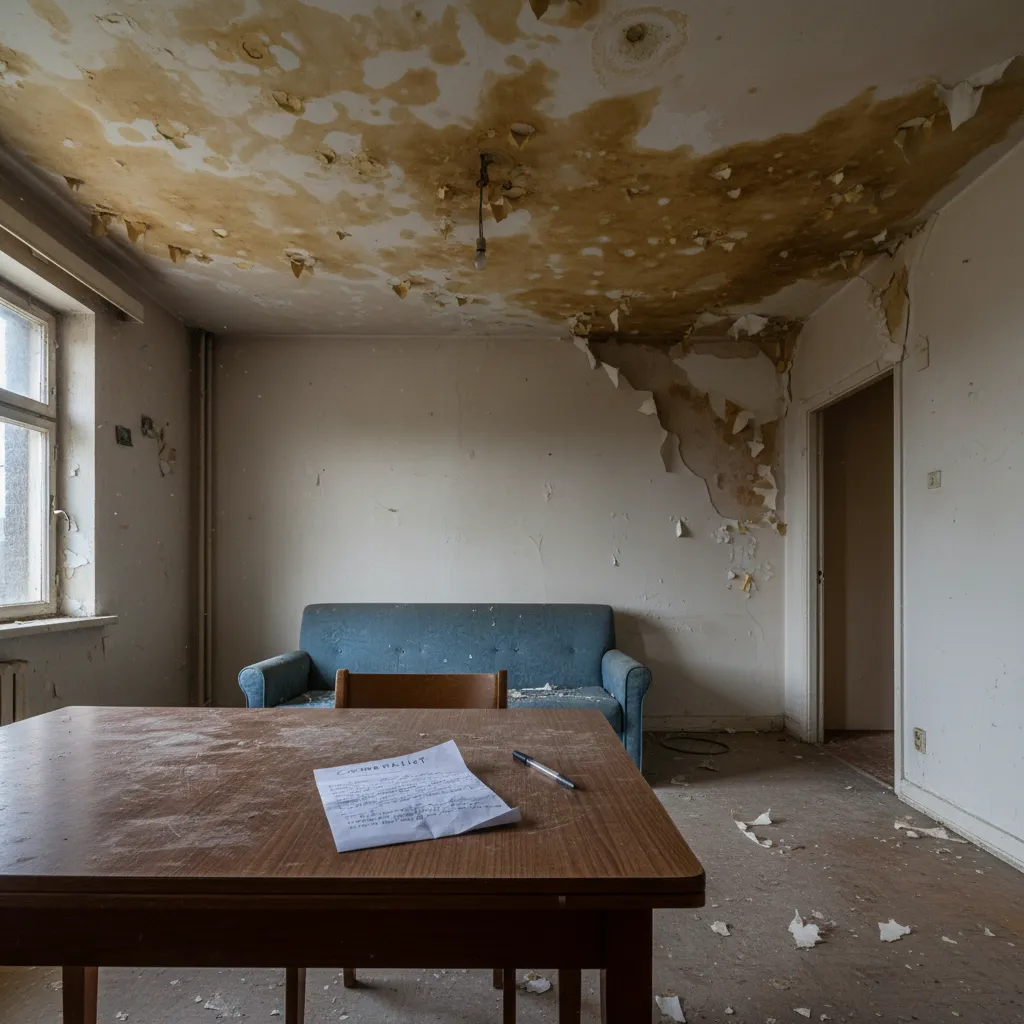
Elena noticed the first spot of black mold in her bathroom in November. It was small, tucked behind the toilet, so she scrubbed it with bleach and moved on. But by January, it had spread across the ceiling and down the wall. Her three-year-old son started coughing at night. Elena felt a constant, dull headache every time she spent more than ten minutes in the apartment.
She did what any good tenant would do: she called her landlord, Mr. Henderson.
"He told me to just keep the window open," Elena said. "In the middle of a Chicago winter. He said mold is just part of living in an old building. He refused to send a professional or even come look at it himself."
Elena was paying $1,650 a month for an apartment that was making her family sick. She felt trapped. She couldn't afford to just break her lease and move, but she couldn't keep living like this. That’s when she learned about rent abatement.
What is Rent Abatement?
Rent abatement is a legal concept that says if your apartment isn't fully "habitable" (safe and livable), you shouldn't have to pay full rent. It’s not about being a difficult tenant; it’s about a basic contract. You pay for a safe place to live. If the landlord provides a place that is unsafe, they aren't holding up their end of the bargain.
In Elena’s case, she was losing the "use" of her bathroom and, arguably, the health of her entire apartment. She decided to fight back.
The Strategy: Don't Just Stop Paying
Many tenants make the mistake of simply not paying rent when something is broken. This is a dangerous move that often leads to eviction. Elena was smarter. She followed the legal process for requesting a rent abatement.
First, she documented everything. She took high-resolution photos of the mold. She kept a log of every time her son coughed and every time she called Mr. Henderson. She even bought a $40 mold testing kit from a hardware store to prove it wasn't just "mildew."
Next, she sent a formal demand letter.
"I knew a text message wouldn't cut it," Elena explained. "I needed something that looked official. I used howtowritea.com to create a rent abatement request. It laid out exactly what was wrong, how long it had been happening, and what I expected: a 30% reduction in rent until the mold was professionally remediated."
The Turning Point
When Mr. Henderson received the letter via certified mail, his tone changed. The letter wasn't an angry rant; it was a professional document citing the local housing code and the "implied warranty of habitability." It showed him that Elena knew her rights and was prepared to take him to housing court.
Two days later, a professional mold remediation team was at her door.
But Elena didn't stop there. She insisted on the abatement for the three months she had lived with the problem. After a bit of back-and-forth, Mr. Henderson agreed to give her a $1,200 credit toward her next two months of rent.
"That $1,200 covered my son’s doctor visits and the air purifiers I had to buy," Elena said. "But more importantly, it felt like I finally had some power in the relationship."
Is Your Situation Worth an Abatement?
Not every repair issue qualifies for rent abatement. A squeaky door or a chipped countertop won't get you a discount. Usually, the issue must affect the "habitability" of the unit. Common reasons include:
- No heat or hot water
- Severe mold or pest infestations
- Broken locks or windows that compromise security
- Significant plumbing or electrical issues
- Structural damage that makes a room unusable
If you’re facing these issues, you have three main paths:
- The DIY Path: Write the letter yourself. It’s free, but if you miss the right legal phrasing or don't cite the correct codes, your landlord might just ignore you.
- The Lawyer Path: Hire a tenant attorney. This is the most effective but also the most expensive. Expect to pay $300 to $500 just for an initial consultation.
- The Middle Path: Use a tool like howtowritea.com. For under $30, you get a professionally structured letter that carries the same weight as a lawyer’s letter without the massive bill.
Elena’s Advice
"Don't wait months like I did," Elena says now. "Landlords rely on you being too tired or too scared to do anything. The moment I sent that formal letter, the dynamic shifted. You aren't asking for a favor; you’re demanding what you already paid for."
If your landlord is ignoring a serious repair, you don't have to just take it. Document the damage, know your rights, and send a formal demand. You might just save yourself thousands of dollars and a lot of headaches.