
The Ghosting Client: How Marcus Got Paid for His Freelance Work
The Ghosting Client: How Marcus Got Paid for His Freelance Work
Marcus is a freelance graphic designer. In August, he landed what he thought was a dream gig: a full rebrand and website design for a new boutique fitness studio. The total project was $7,000. He did everything right—he had a contract, he took a 50% deposit upfront, and he hit every milestone on time.
In November, he delivered the final files. The client, a woman named Chloe, replied: "OMG Marcus, these look amazing! I'll get that final invoice paid by Friday."
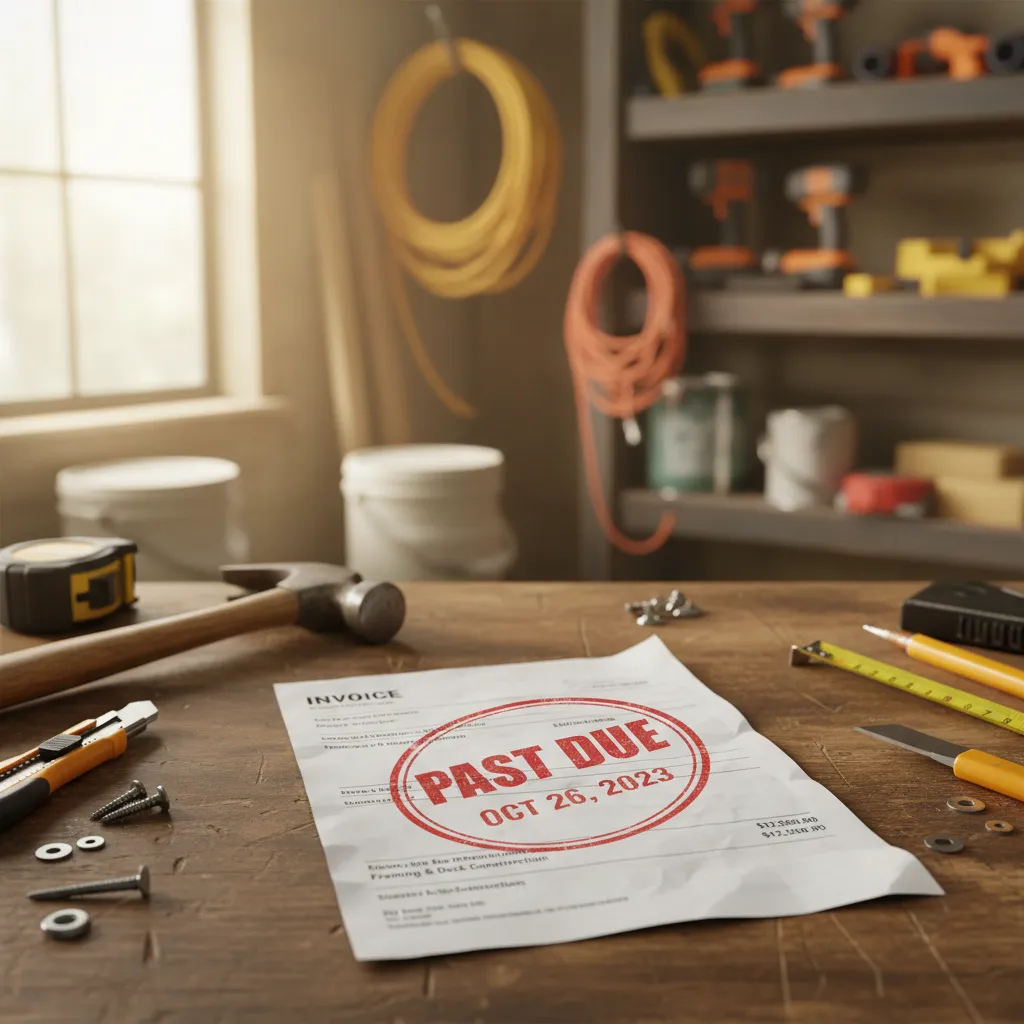
Friday came and went. Then the next Friday. Then Chloe stopped answering emails. Her "amazing" new branding was all over her Instagram, and the website Marcus built was live and taking bookings. But Marcus was still out $3,500.
"I felt like a fool," Marcus told me. "I was watching her business succeed using my work, while I was worried about paying my rent. Every time I saw her posts, my stomach turned. I sent five polite reminders, and then I just stopped hearing from her entirely."
The "Freelancer's Curse"
If you’ve worked as a contractor or freelancer, you know the "Ghosting Client." They aren't always bad people; sometimes they are just disorganized or overwhelmed. But in Chloe’s case, she was intentionally prioritizing her other bills over the person who built her brand.
Marcus considered hiring a lawyer, but he knew a $3,500 debt wasn't enough to interest a high-end firm. He thought about taking her to small claims court, but he didn't have the time to spend a whole day at the courthouse.
"I was about to just write it off as a 'lesson learned,'" Marcus said. "But then a friend told me about the power of a formal Demand for Payment."
Why "Polite" Emails Don't Work
Marcus realized that his polite emails were easy to ignore. They sounded like a request, not a demand. To Chloe, Marcus was just a "nice guy" who would wait.
"My friend explained that I needed to change the 'math' for her," Marcus said. "Right now, it was 'free' for her to ignore me. I needed to show her that ignoring me was going to become expensive and embarrassing."
Marcus went to howtowritea.com. Instead of a friendly "Checking in!" email, he generated a formal Demand Letter.
What the letter included:
- Specific Dates: When the work was commissioned, when it was delivered, and when the final payment was due.
- The Contract: A reference to the signed agreement Chloe had ignored.
- The "Interest" Clause: Marcus’s contract allowed for a 1.5% late fee per month. He calculated the exact amount and added it to the total.
- The "Cease and Desist": This was the kicker. Since Chloe hadn't paid for the work, Marcus still legally owned the copyright to the designs. The letter informed her that if she didn't pay within 7 days, she was no longer authorized to use his branding or website, and he would file a DMCA takedown notice with her web host.
The Result
Marcus sent the letter via USPS Certified Mail. He also sent a PDF copy to her email.
"The change in her tone was hilarious," Marcus laughed. "Three hours after she got the email, she called me twice. I didn't answer—I wanted everything in writing. She sent an email ten minutes later saying there had been a 'massive misunderstanding with her accountant' and the payment was being processed immediately."
The $3,500 (plus the $52 late fee Marcus had added) was in his bank account by noon the next day.
Lessons for Every Contractor
If you are a freelancer or independent contractor, you are a business. You need to act like one.
- Don't Send "Follow-ups," Send Demands: If a payment is more than 14 days late, stop being the "nice guy." A formal letter shows you are professional and prepared to protect your rights.
- Use Certified Mail: There is something about a physical envelope that requires a signature that scares non-paying clients more than 100 emails.
- Mention the DMCA: If you are a creative (designer, writer, photographer), remind them that until they pay, they don't own the work.
- Don't Waste Money on a Lawyer Early: For debts under $5,000, a professional letter from howtowritea.com ($29) usually does the job that a $500 lawyer would do.
Marcus didn't have to sue Chloe. He just had to show her that he could. The moment he moved from a "request" to a "demand," the money appeared.
Don't let your hard work be someone else’s free lunch. If you're owed money, go get it.