
How to Handle FMLA Interference: A Step-by-Step Guide
How to Handle FMLA Interference: A Step-by-Step Guide
The Family and Medical Leave Act (FMLA) is supposed to be a safety net. It’s the law that says if you or a family member has a serious health condition, you can take up to 12 weeks of unpaid leave without losing your job.
But for many employees, taking FMLA leave feels like walking into a trap.
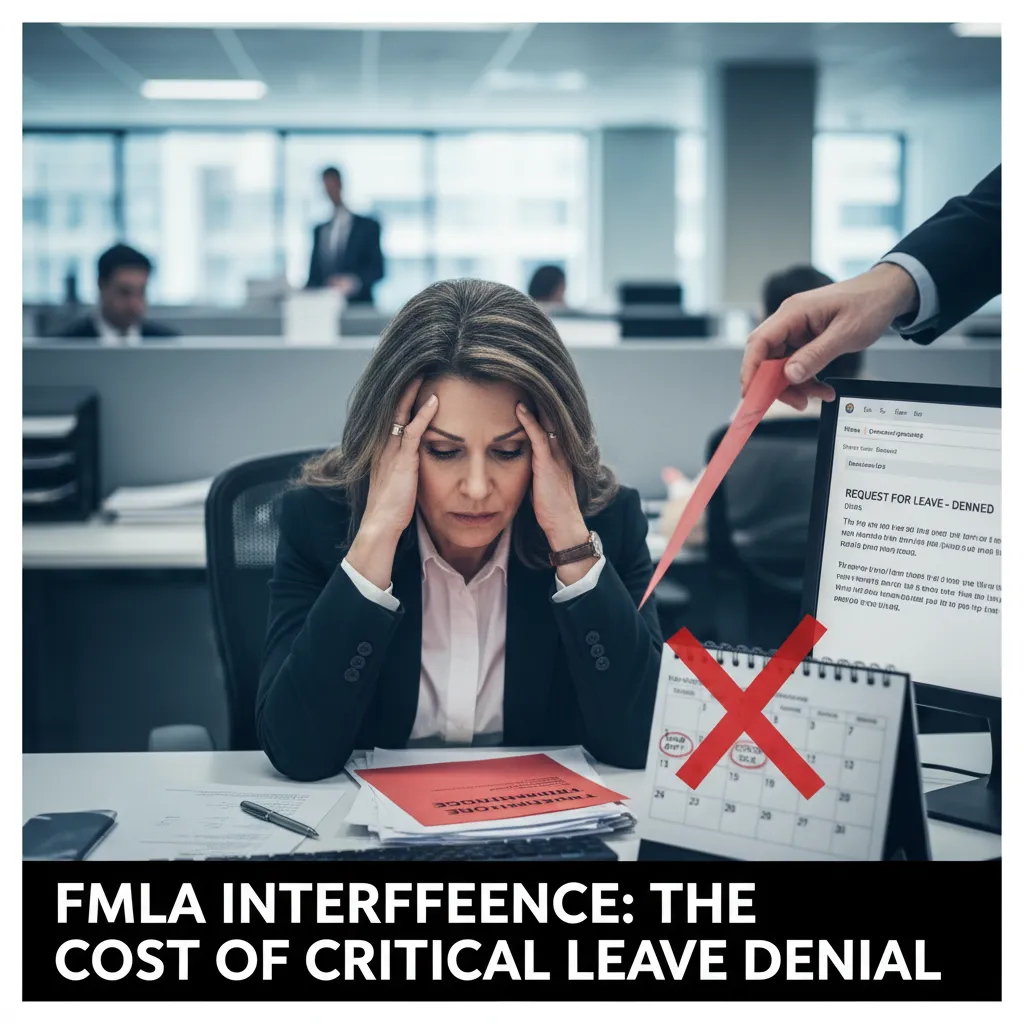
Maybe your boss is "guilting" you about being away. Maybe your HR department is making the paperwork impossible. Or maybe you’ve been told that if you take leave, you’ll be passed over for a promotion. This is called FMLA interference, and it is illegal.
If you feel like your employer is standing in the way of your rights, here is the exact process for fighting back.
Step 1: Confirm You Are Eligible
Before you start a fight, make sure you’re actually protected by the law. FMLA doesn’t apply to every single worker in America. To be eligible, you generally must:
- Work for a covered employer (private companies with 50+ employees, or any public agency/school).
- Have worked for the employer for at least 12 months.
- Have worked at least 1,250 hours in the 12 months before your leave starts.
- Work at a location where the employer has at least 50 employees within a 75 mile radius.
If you meet these criteria, your employer cannot legally deny your leave, discourage you from taking it, or make your life miserable because you asked for it.
Step 2: Recognize the Signs of Interference
Interference isn't always a flat-out "no." It can be much more subtle. Common examples of FMLA interference include:
- Discouraging Leave: A manager saying, "We're really in the middle of a big project, it would be a shame if you took leave now."
- Failure to Inform: HR failing to tell you about your FMLA rights when you mention a medical issue.
- Burdening the Process: Asking for more medical documentation than the law allows or repeatedly "losing" your paperwork.
- Working While on Leave: Your boss calling, texting, or emailing you with work tasks while you are supposed to be recovering or caring for a family member.
- Changing Your Position: Giving you a "dead-end" role or a worse schedule when you return from leave.
If any of this sounds familiar, you are likely a victim of interference.
Step 3: Start Your Paper Trail
The biggest mistake employees make is having "off the record" conversations. If your boss tells you that taking leave will hurt your career, you need that in writing.
Immediately after a suspicious conversation, send a "follow-up" email. "Hi Boss, just wanted to clarify our conversation from this morning. You mentioned that my FMLA request might impact my eligibility for the Q4 bonus. Could you help me understand how that works?"
Even if they don't reply, you have created a timestamped record of the event. Save copies of your medical certifications, your formal leave requests, and any "get well" cards or work emails you receive while you're actually out on leave.
Step 4: Submit a Formal Internal Complaint
Before you go to court, give the company a chance to fix the problem. HR's job is to protect the company from lawsuits. If you show them evidence that a manager is interfering with FMLA, they will often step in to stop it because they know how expensive FMLA lawsuits can be.
Draft a formal internal memo. State the facts clearly: "On March 12th, I requested FMLA leave. Since then, I have been told by my supervisor that my workload will be doubled upon return as 'punishment.' This constitutes FMLA interference under 29 C.F.R. § 825.220."
Step 5: Send a Formal Demand Letter
If HR ignores you or sides with the manager, it's time to escalate. A formal demand letter is often the most effective tool for getting an employer's attention without actually filing a lawsuit yet.
A demand letter from a law firm can cost $1,000 to $3,000. For many people, that's not an option, especially when they're already dealing with medical bills.
Instead, you can use howtowritea.com to generate a professional demand letter. For $9 to $29, you get a document that cites the specific sections of the FMLA your employer is violating. When an employer receives a formal letter that correctly cites federal law, they realize they aren't dealing with someone they can just bully.
Step 6: File with the Department of Labor (DOL)
If the demand letter doesn't resolve the issue, you can file a complaint with the Wage and Hour Division of the U.S. Department of Labor. They have the power to investigate your employer and force them to comply with the law. This is a free service, though it can take several months for them to complete an investigation.
Step 7: Consider a Lawsuit
If you have suffered financial loss (like being fired or losing a promotion) because of FMLA interference, you may want to sue. FMLA allows you to recover:
- Lost wages and benefits.
- "Liquidated damages" (an additional amount equal to your lost wages if the employer didn't act in good faith).
- Reinstatement to your job.
- Attorney fees and court costs.
Most FMLA cases settle before they ever get to a jury because the law is very clear. If you have the evidence, the employer usually pays to make the problem go away.
The Bottom Line
You aren't "asking for a favor" when you take FMLA leave. You are exercising a legal right that was fought for by workers decades ago. Don't let a "tough" manager or a disorganized HR department talk you out of what you're owed.
Document every interaction, keep copies of everything, and if they keep pushing back, use howtowritea.com to send a formal demand. Most of the time, showing that you know the law is enough to make the interference stop.