
FMLA Interference: HR vs. Lawyer vs. DIY Demand Letters
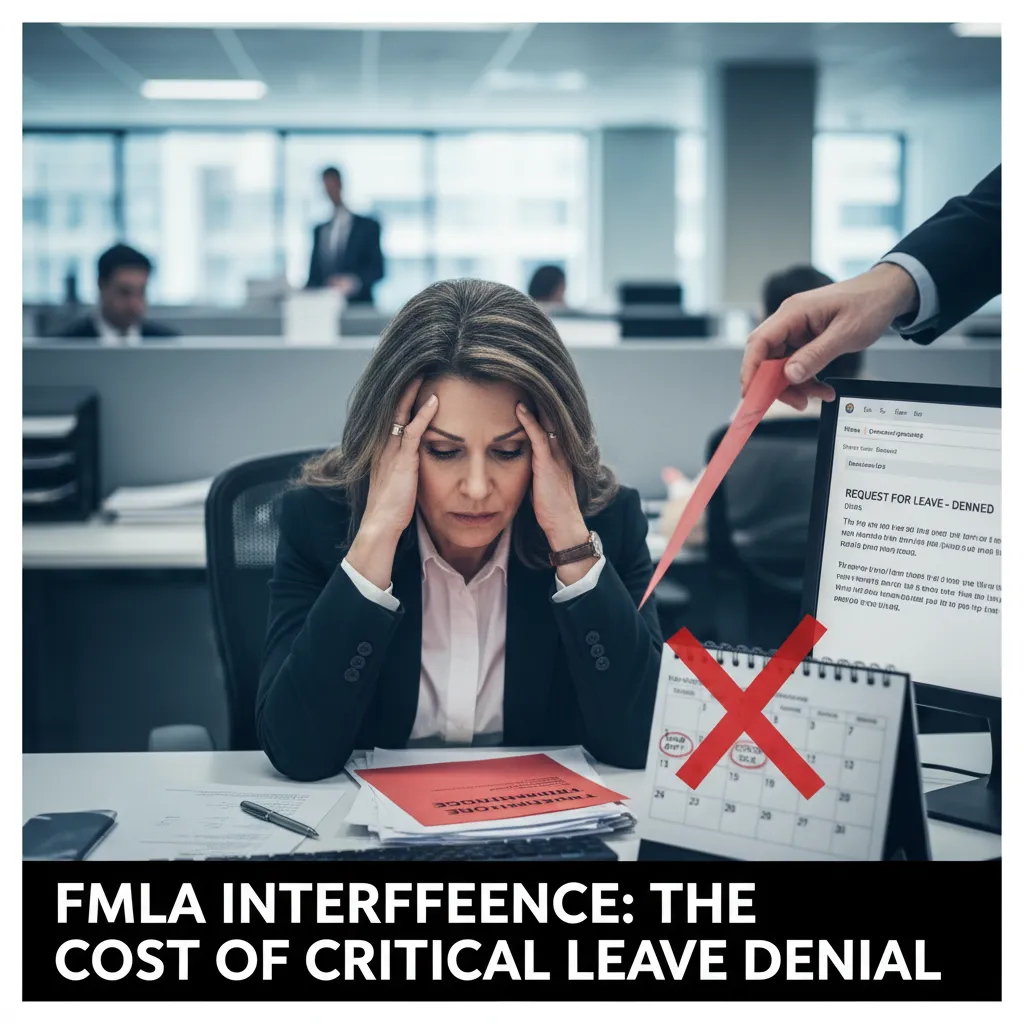
FMLA Interference: HR vs. Lawyer vs. DIY Demand Letters
When your boss starts making it difficult for you to take medical leave, your stress levels don't just double—they skyrocket. You're already dealing with a health crisis or a family emergency, and now you have to worry about your job security too.
This is FMLA interference. It’s illegal, but it’s also common. The question isn't whether you should fight it, but how.
There are three main paths you can take to stop FMLA interference. Each has a different cost, a different success rate, and a different level of "heat" it brings to your relationship with your employer.
Option 1: The Internal Complaint (Talking to HR)
Cost: Free Speed: Fast Risk: High
The first instinct for most people is to go to Human Resources. In theory, HR is there to ensure the company follows the law. If a manager is telling you that "taking leave will hurt your chances at a bonus," HR should, in a perfect world, pull that manager aside and tell them to stop.
The Reality: HR works for the company, not for you. Their goal is to minimize risk for the organization. If they think the manager is a liability, they might fix it. But if they think you are the problem for "making waves," they might start building a file to fire you legally later on.
When to use it: Use this when you have a generally good relationship with the company and you think the interference is coming from one "rogue" manager who just doesn't know the rules.
Option 2: Hiring a Private Attorney
Cost: $1,500 – $5,000+ Speed: Slow Risk: Low (to your rights) / High (to your wallet)
If you’ve been fired or if the interference has cost you a massive promotion, an employment lawyer is your best bet. They can file a lawsuit, subpoena internal emails, and represent you in court.
The Reality: Lawyers are expensive. Most employment attorneys charge $300 to $500 per hour. Even just having a lawyer write a formal letter on their letterhead will likely cost you $1,000 or more after the initial consultation. If your "damages" aren't huge (meaning you haven't lost a lot of money yet), many lawyers won't even take the case because there isn't enough profit in it for them.
When to use it: Use this if you have already been fired or if the financial stakes are over $20,000.
Option 3: The Professional Demand Letter (DIY with Tools)
Cost: $9 – $29 Speed: Immediate Risk: Medium
This is the "middle ground" that most people don't know exists. You don't just send a mean email; you send a formal, legally-cited demand letter. It looks like it came from a legal department because it uses the correct terminology and cites the specific FMLA regulations (like 29 C.F.R. § 825.220).
The Reality: Tools like howtowritea.com allow you to generate these letters in about ten minutes. You send it via USPS Certified Mail. When the company’s legal department or HR director receives a formal letter citing federal code, they realize you are "legally literate." They know that if they don't fix the situation, the next step is a DOL investigation or a lawsuit.
When to use it: Use this when HR has ignored your informal complaints, or when you want to send a "shot across the bow" to show the company you won't be bullied, without spending thousands of dollars on a lawyer.
Direct Comparison: At a Glance
| Feature | HR Complaint | Private Lawyer | howtowritea.com |
|---|---|---|---|
| Out-of-pocket Cost | $0 | $1,500+ | $9 - $29 |
| Time Investment | 1-2 hours | Weeks of meetings | 10 minutes |
| Legal Authority | Low | Very High | High |
| Anonymity | None | None | None |
| Best For | Simple misunderstandings | Retaliatory firing | Stopping active bullying |
Why the Demand Letter is Often the "Sweet Spot"
Most FMLA interference doesn't start with a firing; it starts with "nudges." It’s the boss who asks you to "just check your email once a day" while you're on leave. It’s the HR rep who says your doctor’s note "isn't specific enough" (even though it is).
In these cases, hiring a lawyer is overkill and going to HR is often useless.
A demand letter from howtowritea.com provides the perfect amount of pressure. It says: "I know exactly what the law says, I am documenting your violations, and I have a professional record that I tried to resolve this."
Because you send it via Certified Mail, it creates a "receipt." If you ever do have to sue later, that letter is your most valuable piece of evidence. It proves the company knew about the interference and chose not to stop it.
Don't Wait Until You're Fired
The biggest mistake employees make is waiting until the situation is unbearable. FMLA interference is a "soft" violation that often leads to a "hard" violation (retaliation or firing). By stopping the interference early with a formal notice, you often prevent the firing from ever happening.
Companies are like any other bully—they pick on the people they think don't know the rules. Once you show them the rules, in writing, delivered by the post office, they usually find someone else to bother.