
The Case of the Missing Suitcase: How Sarah Won Her Airline Battle
The Case of the Missing Suitcase: How Sarah Won Her Airline Battle
Sarah was heading to her best friend’s wedding in Charleston. She was the maid of honor, and her suitcase contained her $400 dress, a pair of designer heels, her professional makeup kit, and two weeks’ worth of carefully curated outfits.
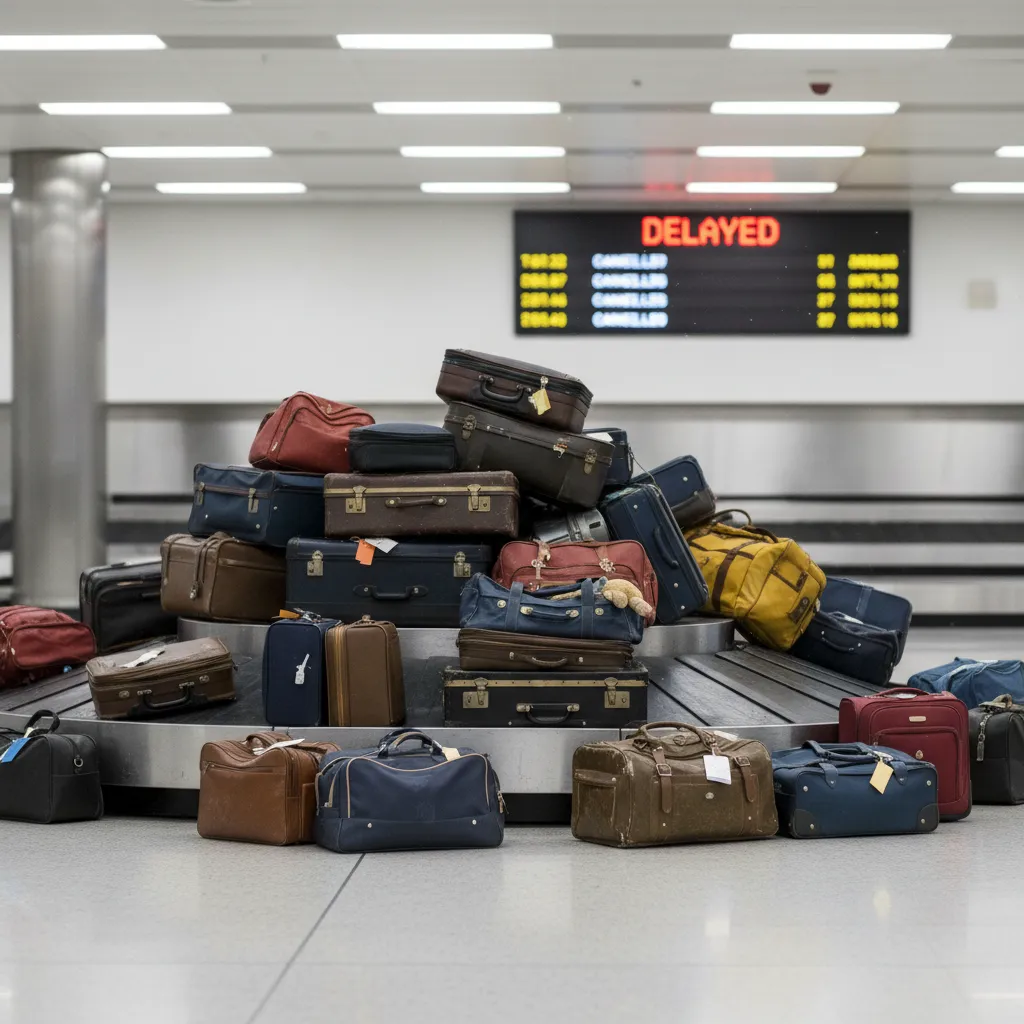
When she arrived at the baggage carousel, the belt eventually stopped moving. Her suitcase never appeared.
She spent two hours at the "Baggage Service" counter. The agent was tired and unhelpful. "It’s probably still in Atlanta," he said. "Fill out this form. We’ll call you."
They didn't call. For three days, Sarah had to buy emergency clothes and makeup. She missed the rehearsal dinner because she was at a mall trying to find a dress that didn't look like a last-minute panic purchase.
The Lowball Offer
Ten days later, the airline finally emailed. They officially declared her bag "lost." Their offer? A $200 "gesture of goodwill" and a voucher for a future flight.
Sarah was insulted. Between the dress, the shoes, the makeup, and the emergency purchases, she was out nearly $3,000. When she pointed this out to the customer service rep over chat, they told her, "Per our policy, we only reimburse for 'essential items' with original receipts."
Who keeps receipts for a dress they bought two years ago?
The Discovery of "Department of Transportation" Rules
Sarah was about to take the $200 and the voucher. She felt like she couldn't win against a multi-billion dollar airline. But then she did a little digging into the Department of Transportation (DOT) regulations.
She discovered three things the airline "forgot" to tell her:
- For domestic flights, the airline's maximum liability is $3,800 per passenger.
- Airlines cannot "cap" their liability at a lower amount like $200.
- They are required to reimburse for "reasonable, verifiable, and actual expenses" related to the lost bag.
Sarah didn't need "original receipts" for every item she owned. She needed "verifiable" proof. She started looking through her old photos and found a picture of her in the maid-of-honor dress. She found the transaction in her bank app from the boutique where she bought the heels.
Moving Beyond the "Customer Service" Bot
Sarah realized that the frontline chat agents were trained to give the lowest possible offer. They weren't there to help her; they were there to protect the airline's bottom line.
She decided to stop chatting and start "demanding." She looked into hiring a lawyer, but the cost was absurd. She also looked into "flight compensation" apps, but they wanted to take 35% of whatever she recovered.
That's when she used howtowritea.com. She spent ten minutes entering the details of her flight, the bag tag number, and an itemized list of what was in the suitcase. The tool generated a formal Demand for Lost Luggage Compensation.
The letter was professional. It didn't "ask" for a better offer. It cited 14 CFR Part 254, the federal regulation that governs domestic baggage liability. It laid out her itemized losses and the cost of her emergency replacements. It gave the airline 14 days to pay the full amount before she filed a formal complaint with the DOT.
The Turning Point
Sarah didn't email the letter. She printed it out and sent it via USPS Certified Mail to the airline's corporate "Baggage Liability" department in Chicago.
The difference was night and day. A week after the airline signed for the letter, Sarah received a call from a "Corporate Claims Adjuster." No more bots. No more "gesture of goodwill."
"We've reviewed your formal demand," the adjuster said. "While we can't cover the full $3,800 without receipts for every item, we are prepared to offer you $3,100 as a final settlement for the lost bag and your emergency expenses."
Sarah accepted. The check arrived in the mail four days later.
Sarah's Playbook for Lost Luggage
If an airline loses your bag, don't follow their "internal policy." Follow the federal law. Here is Sarah's advice:
- File the report at the airport immediately. Do not leave without a "Property Irregularity Report" (PIR) number.
- Itemize your life. Make a list of everything that was in the bag. Find photos of yourself wearing the items. Find bank statements for the big purchases.
- Don't accept the first offer. The "voucher and $200" is a trick to get you to sign away your right to a bigger payout.
- Use a formal demand letter. Companies ignore "angry customers," but they pay attention to "legally informed claimants." Using howtowritea.com made her look like she had a lawyer on retainer for a fraction of the cost.
- Mention the DOT. Airlines live in fear of DOT fines. Citing the federal code shows them you aren't going to go away quietly.
Sarah got her $3,100. It didn't replace the sentimental value of her favorite shoes, but it meant she wasn't paying for the airline's mistake out of her own pocket. If your bag is gone, don't just "hope" the airline does the right thing. Make them do it.