
The Neighbor's Shed: A Story of Encroachment and Resolution
The Neighbor's Shed: A Story of Encroachment and Resolution
David lived in a quiet suburb of Indianapolis. He had a great relationship with his neighbor, Greg. They swapped lawn care tips, shared a fence line, and occasionally grabbed a beer on Friday evenings.
That changed when Greg decided to build a "man cave" shed in his backyard.
David watched the construction from his kitchen window. The shed was huge—a 12x15 foot structure with a shingle roof and electricity. It looked great, except for one thing: it looked very, very close to David's property line.
When the construction was finished, David walked out with a tape measure. He knew where his property stakes were. According to his measurements, the back corner of Greg's new shed was sitting six inches onto David's land.
The "Nice Guy" Phase
David didn't want to be "that neighbor." He invited Greg over and pointed it out. "Hey Greg, I think the shed might be a few inches over the line. I'm worried about when I go to sell the house later on."
Greg laughed it off. "Ah, David, it's six inches of grass. What's the big deal? We've been neighbors for years. Don't be a stickler."
For six months, David tried to let it go. But every time he mowed the lawn, he had to navigate around a building that wasn't supposed to be there. He started researching "adverse possession." He learned that if someone uses your land for long enough (usually 10 to 20 years, depending on the state), they can actually claim legal ownership of it.
Greg's "six inches of grass" was a ticking time bomb for David's property value.
The Professional Survey
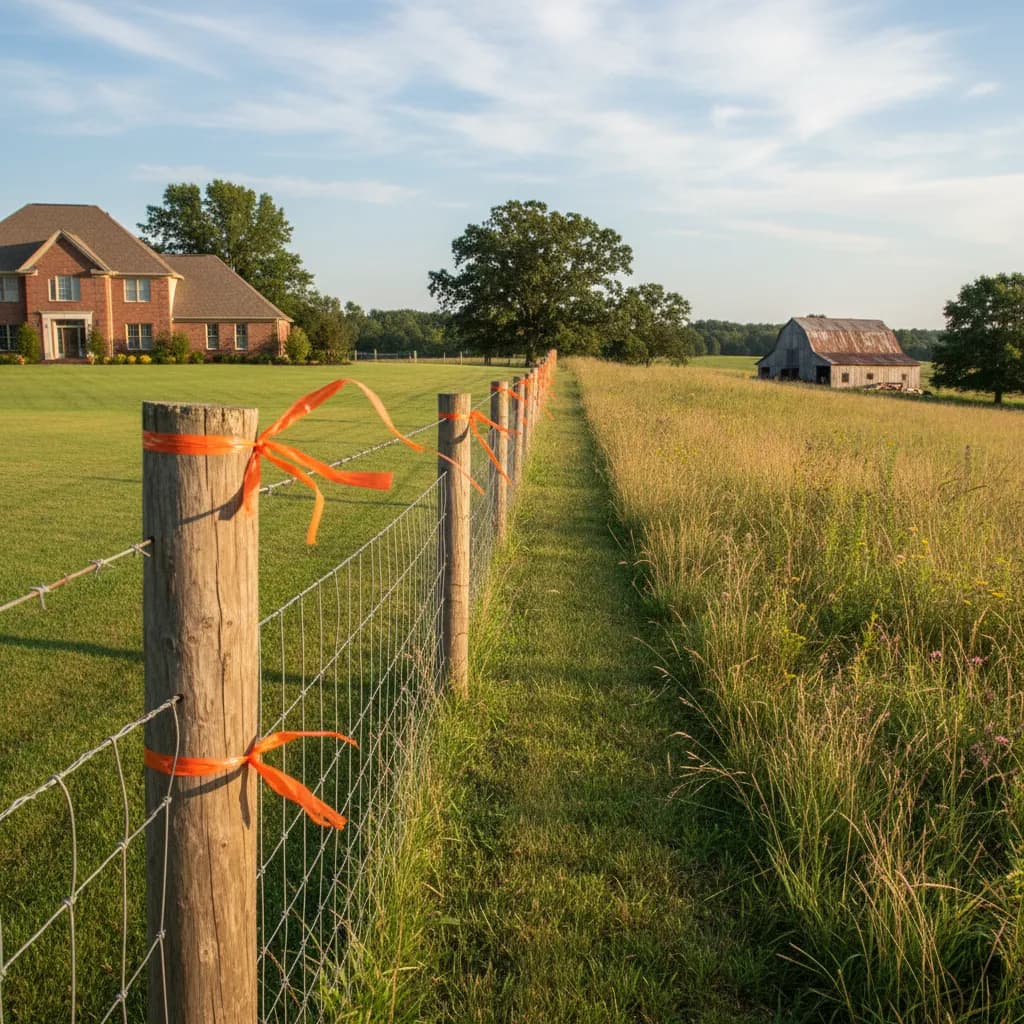
David decided he needed proof. He spent $800 to hire a professional surveyor. The surveyor came out, found the original iron pins, and marked the line with bright pink flags.
The result? The shed wasn't just six inches over; at the furthest point, it was nearly nine inches onto David's property.
David showed the survey to Greg. This time, Greg wasn't laughing. He got defensive. "I spent four thousand dollars on that shed! I'm not moving it. If you want it moved, you'll have to sue me."
The friendship was officially over.
The Legal Reality Check
David called a local real estate attorney. The attorney was helpful but expensive. "I can write a letter for $500," the lawyer said. "If he still doesn't move it, we file a 'Quiet Title' action. That will cost you about $5,000 to $10,000 in legal fees and take 18 months."
David was stuck. He didn't want to spend $10,000 to move a shed. But he also didn't want to lose part of his backyard forever.
The "Demand Letter" Strategy
David decided to try one more thing before going to court. He used howtowritea.com to generate a formal Demand for Removal of Encroachment.
The letter was professional and cold. It included a copy of the new survey. It cited the state's encroachment laws and mentioned that Greg would be liable for David's legal fees and "diminished property value" if the case went to court. It gave Greg 30 days to remove the encroachment or sign a "boundary line agreement" that acknowledged David still owned the land.
David sent it via USPS Certified Mail.
The Turning Point
When Greg received the certified letter, he finally realized David wasn't just "complaining." He was building a legal case.
Greg's brother-in-law, who was a paralegal, told him the truth: "If he has a certified survey and you're over the line, you're going to lose. And a judge might order you to pay for his surveyor and his lawyer. Just move the damn shed."
Greg didn't apologize, but he did hire a crew to jack up the shed and slide it two feet back onto his own property. It took four hours and cost him $1,200.
David's Lessons on Encroachment
If you have a neighbor building on your land, David has three pieces of advice:
- Don't wait. The longer a structure sits on your land, the harder it is to get it moved. If you see a fence or shed going up, check the line during construction.
- Get the survey. Your tape measure doesn't hold up in court. A licensed surveyor's report is the only evidence that matters.
- Use a formal demand letter. A "friendly chat" can be ignored. A certified letter citing the law cannot. Using howtowritea.com allowed David to sound like a lawyer without paying the lawyer's price.
Today, David and Greg don't talk. It's awkward when they're both out in the yard. But David has his land back, his property value is protected, and he knows exactly where his yard ends. For David, that's worth a little bit of neighborhood silence.