
Flight Canceled? 5 Ways to Get the Airline Compensation You’re Owed
Flight Canceled? 5 Ways to Get the Airline Compensation You’re Owed
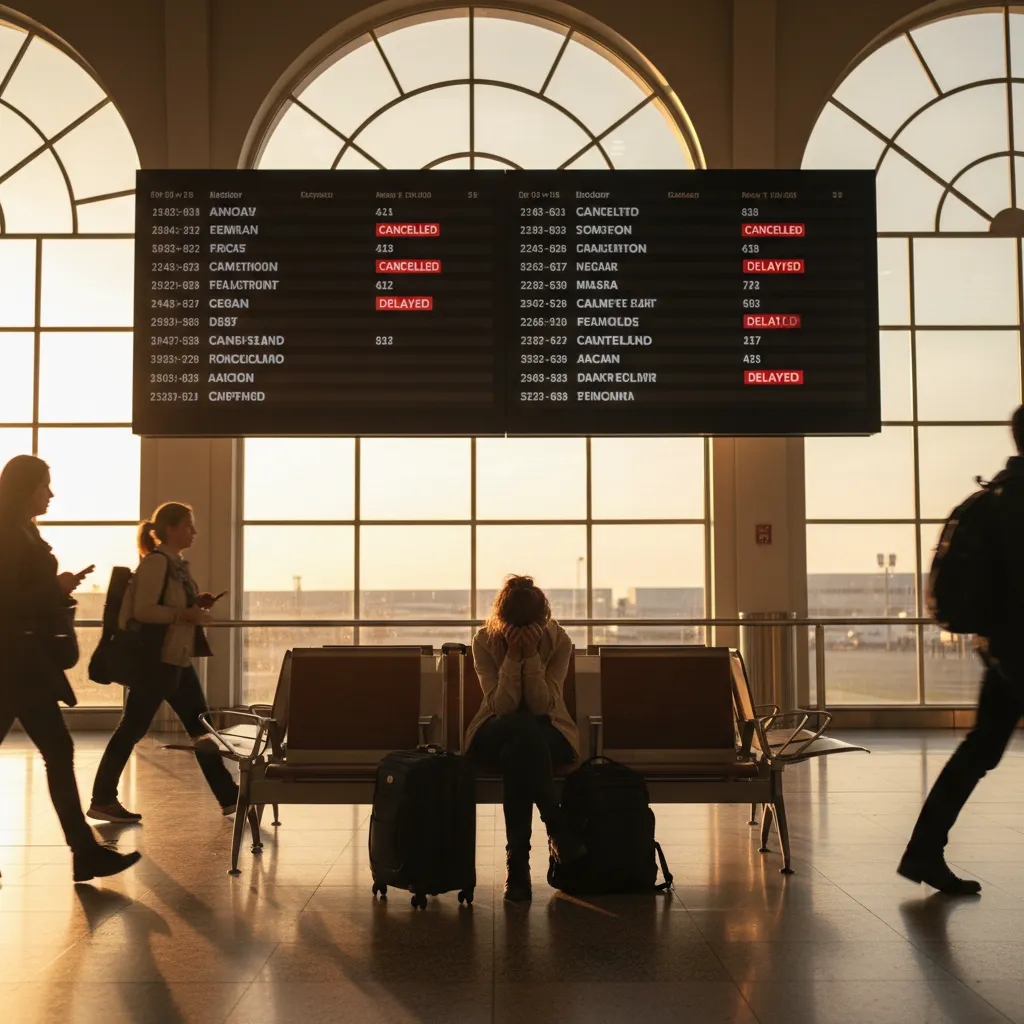
You’re sitting at the gate, ready for a vacation or a business meeting, when the dreaded notification pings your phone: Flight Canceled. Suddenly, you’re in a sea of hundreds of angry passengers, all trying to get on the same three remaining flights.
The airline might offer you a $10 meal voucher for a sandwich that costs $14, but you know you’re owed more. Whether it’s a mechanical issue, a staffing shortage, or a "crew time-out," airlines have a legal obligation to take care of you. But they won't just hand you a check. You have to go get it.
Here are five ways to get the compensation you deserve, ranked from easiest to most effective.
1. The Gate Agent Shuffle (Success Rate: Low)
The first instinct for everyone is to run to the gate agent.
How it works: You stand in line for an hour, get to the front, and ask for a hotel voucher or a refund.
The reality: Gate agents are overworked and under-empowered. Their main goal is to get people on planes, not to process complex compensation claims. They might give you a hotel voucher if you're lucky, but they almost never have the authority to issue cash compensation or significant travel credits.
Best for: Immediate needs like a hotel room for the night or a rebooked flight.
2. The Customer Service Phone Line (Success Rate: Moderate)
While you’re standing in that gate line, you should be on the phone.
How it works: Call the airline’s customer service line. If the US line is busy, try their international desks (like the UK or Canada) which often have shorter wait times.
The reality: You’ll likely wait on hold for a long time. Once you get someone, they might offer you 5,000 frequent flyer miles to go away. These miles are worth about $50. If your delay cost you a day of work or an extra night at a hotel, this is an insult.
Best for: Getting rebooked on a different airline or a flight from a nearby airport.
3. The DOT Complaint (Success Rate: Slow but Steady)
The Department of Transportation (DOT) regulates airlines in the US.
How it works: You file a formal complaint through the DOT website. They forward your complaint to the airline, and the airline is legally required to respond to you within 60 days.
The reality: This is a long game. The DOT won’t "force" the airline to pay you on the spot, but they do track these complaints. Airlines hate having a high volume of DOT complaints on their record. It often prods them to settle a legitimate claim just to close the file.
Best for: Situations where the airline is flat-out lying about the cause of the delay (e.g., saying it was "weather" when every other airline was flying).
4. Professional Claim Services (Success Rate: High, but Expensive)
There are several companies that specialize in "air passenger rights."
How it works: You give them your flight info, and they handle the legal back-and-forth for you. They especially love EU 261 claims (flights starting in or flying to Europe).
The reality: These services are effective, but they take a massive cut—usually 25% to 35% of your total compensation. If you’re owed $600 for a long delay, you might only see $400 after they take their "success fee."
Best for: International flights where European laws apply and you don't want to deal with any paperwork.
5. Sending a Formal Demand Letter (Success Rate: High and Profitable)
This is the "pro" move. It combines the legal weight of a claim service with the cost-savings of doing it yourself.
How it works: You send a formal, written demand letter to the airline's corporate legal department. This letter cites specific regulations (like the DOT’s "Involuntary Bump" rules or the Montreal Convention for lost luggage).
The reality: Most airlines have a "wait and see" policy for casual complaints. But when a formal demand letter arrives—one that mentions small claims court and specific legal codes—it gets moved to a different department. They would rather pay you $400 than spend $1,000 in legal fees to defend a case they know they’ll lose.
Using a tool like howtowritea.com makes this incredibly easy. Instead of spending hours looking up DOT regulations, you spend 10 minutes answering questions and get a professional letter ready to mail. It costs between $9 and $29, and you keep 100% of the compensation the airline pays out.
Best for: Getting actual cash refunds, compensation for "unreasonable" delays, and reimbursement for out-of-pocket expenses.
What Are You Actually Owed?
The rules vary depending on why you were delayed:
- Bumped from a flight: If you are involuntarily bumped because a flight is oversold, you could be owed up to 400% of your one-way fare (capped at $1,550).
- Significant delays: Under new US rules, if your flight is delayed more than 3 hours (domestic) or 6 hours (international), you are entitled to a full refund if you choose not to travel.
- Tarmac delays: If you're stuck on the plane for more than 3 hours without being allowed to deplane, the airline faces massive fines.
Why You Shouldn't Take the Voucher
Airlines love vouchers because they expire, have blackout dates, and keep your money within their ecosystem. Cash is always better. If the airline owes you money, demand it in the form of a check or an electronic transfer.
If they refuse, don't just give up. The airline is betting that you’ll get tired and go away. Prove them wrong. A simple letter from howtowritea.com is often the only nudge they need to stop the games and pay what they owe.
Safe travels—and if they aren't safe or on time, make sure you get paid for the trouble.