
The $400 Surprise: How Marcus Fought an Illegal Rent Increase
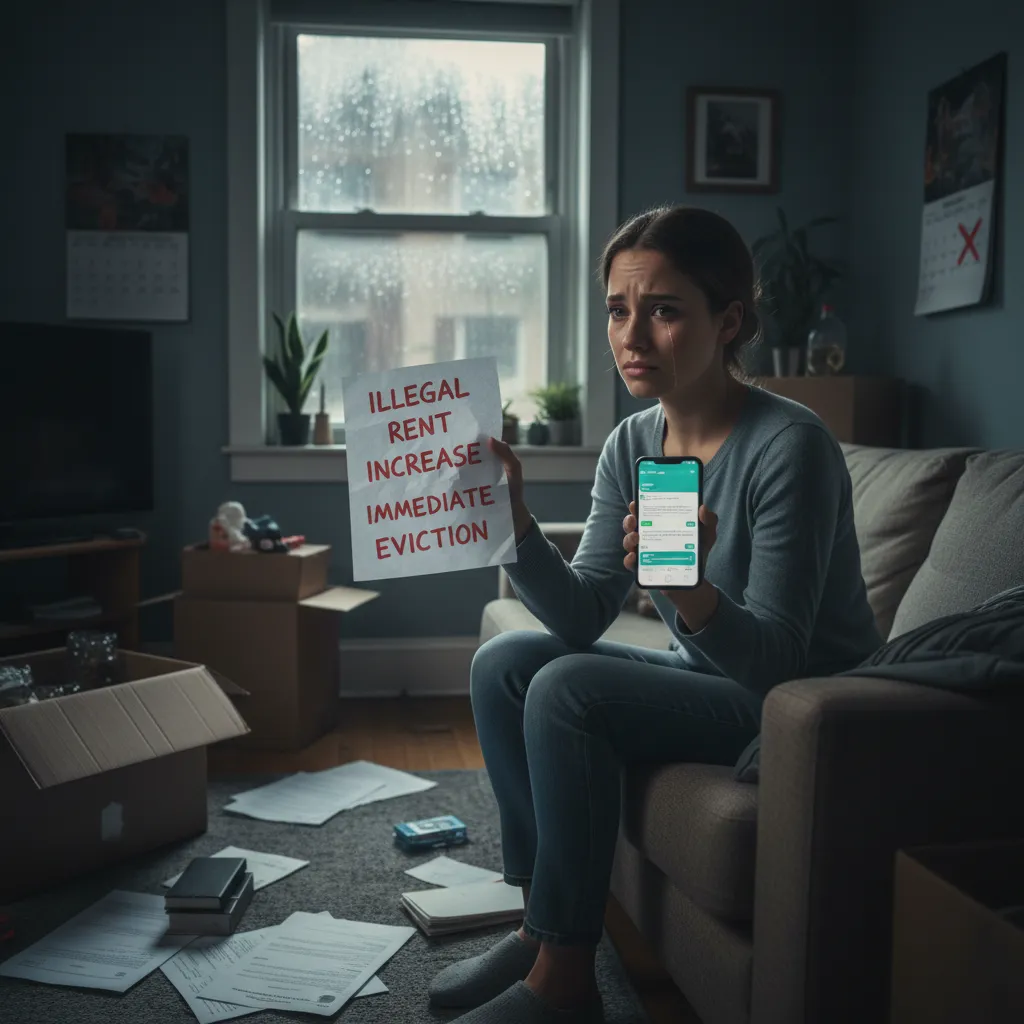
The $400 Surprise: How Marcus Fought an Illegal Rent Increase
Marcus had lived in the same two-bedroom apartment in a quiet suburb of Atlanta for three years. He was a model tenant. He paid his rent two days early every month, he never called about minor repairs he could fix himself, and he kept the small patio area spotless.
His lease wasn't set to expire for another six months. So, when he found a crisp white envelope taped to his door on a Tuesday evening, he assumed it was a notice about routine maintenance or maybe a reminder about the upcoming holiday trash schedule.
Instead, it was a letter from his landlord, Mr. Henderson.
"Dear Marcus," it began. "Due to rising property taxes and market demand, your rent will increase from $1,400 to $1,800 effective next month. Please update your auto-pay accordingly."
Marcus felt a pit in his stomach. $400. That wasn't just a "bump." That was his grocery budget, his car payment, and his savings for his sister's upcoming wedding all rolled into one. He knew the market was hot, but he also knew he had a signed contract.
The First Mistake: The "Polite" Text
Marcus's first instinct was to be reasonable. He sent Mr. Henderson a text: "Hey, I saw the note. $400 is a lot, and my lease doesn't end until October. Can we talk about this?"
The reply came back an hour later: "Sorry Marcus, but my costs are up. If you can't afford the new rate, I'll need you out by the 1st so I can find someone who can. Market rate for your unit is $1,900 now, so I'm actually giving you a deal."
This is where many tenants give up. They assume the landlord "owns the place" and therefore makes the rules. They start looking for a new apartment or they scrimp and save to pay the illegal amount.
But Marcus decided to do some research.
The Law vs. The Landlord
Marcus spent the next two hours on his laptop. He discovered two very important things about Georgia rental law (which are common in almost every state):
- Leases are binding contracts. A landlord cannot unilaterally change the rent amount in the middle of a fixed-term lease unless the lease specifically allows for it (which is rare).
- Notice periods matter. Even if Marcus had been on a month-to-month lease, the landlord would have been required to give at least 60 days' notice for an increase, not 20.
Mr. Henderson wasn't just being "tough." He was breaking the law. He was betting that Marcus didn't know his rights or was too intimidated to use them.
The Strategy Shift
Marcus realized that being "nice" was getting him nowhere. Mr. Henderson saw politeness as weakness. Marcus needed to stop being a "tenant" and start being a "party to a contract."
He didn't send another text. He didn't call. Instead, he went to howtowritea.com and used their generator to draft a formal demand letter.
The letter was professional and firm. It didn't mention Marcus's sister's wedding or his car payment. Instead, it cited the specific section of his lease agreement regarding the rent amount and the state law regarding mid-lease increases. It stated clearly that Marcus would continue to pay the agreed-upon rate of $1,400 and that any attempt to evict him for not paying the illegal increase would be met with a legal defense.
Marcus printed the letter, walked to the post office, and sent it via USPS Certified Mail with a Return Receipt.
The Result
Three days later, Marcus got a notification that Mr. Henderson had signed for the letter.
He didn't get a text back. He didn't get a phone call.
Instead, a week later, he received another white envelope. This one was much shorter. It simply said: "Correction: Upon review of your file, the rent increase previously mentioned will be deferred until your current lease expires in October. We will discuss renewal terms at that time."
No apology. No "I'm sorry for the stress I caused you." Just a retreat.
Why Marcus Won (and Why You Can Too)
Marcus won because he changed the "vibe" of the dispute. By sending a formal demand letter, he sent a signal that he was prepared to go to court. Landlords like Mr. Henderson hate court. Court is expensive, it takes time, and most importantly, they know they will lose when they are clearly in the wrong.
If you are facing an illegal rent increase, follow Marcus's lead:
- Check your lease: If you are in the middle of a fixed term, your rent is locked.
- Check your state's notice laws: Even month-to-month tenants are usually entitled to 30, 60, or even 90 days' notice for an increase.
- Don't just text: A text is a conversation. A letter is a legal event. Use howtowritea.com to make it professional.
- Use Certified Mail: The "Return Receipt" is your proof that they can't claim they "never saw" your objection.
A landlord is a business partner, not your boss. You have a contract, and you have rights. Like Marcus found out, sometimes all it takes to stop a bully is a professional letter and a $4 stamp.