
How to Dispute a Lowball Insurance Offer on Your Totaled Car
How to Dispute a Lowball Insurance Offer on Your Totaled Car
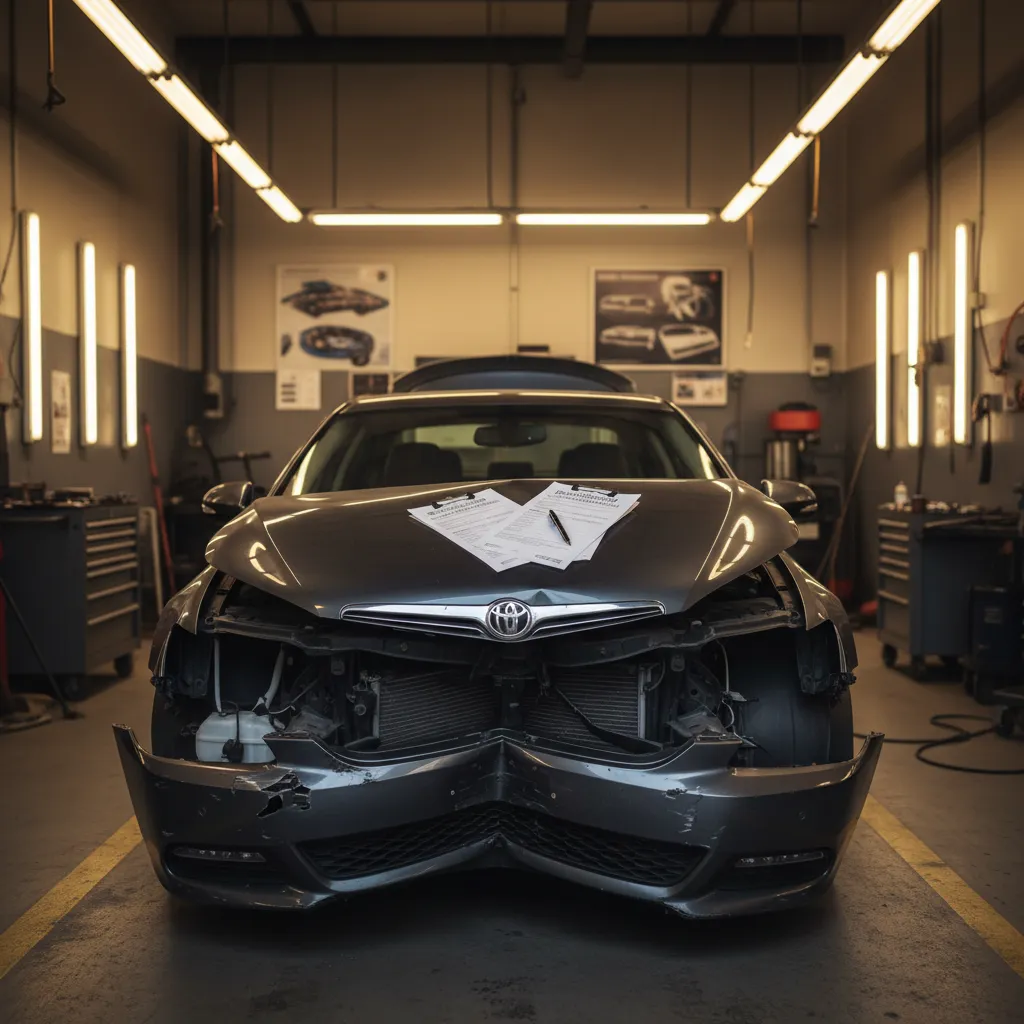
It is the call every car owner dreads. "The damage to your vehicle exceeds its value. We are declaring it a total loss."
After the initial shock of the accident wears off, you're left with the reality of replacing your car. You start looking at listings online and realize that to get another 2021 SUV with similar mileage, it's going to cost you $24,000. Then the insurance adjuster calls back with their "market value" offer: $18,500.
Suddenly, you're $5,500 short of being whole again, and you're the one who wasn't even at fault.
Insurance companies are not in the business of being generous. They use proprietary software and "comparable" listings that often aren't comparable at all to drive down the payout. But the initial offer is exactly that—an offer. You don't have to accept it. Here is how you fight back and get the true value of your car.
Understand How They Calculated the Value
When an adjuster gives you a number, ask for the "Market Valuation Report." This is a document (often 10-15 pages) that shows exactly which cars they used to determine your vehicle's value.
Check this report for errors. Adjusters often miss features that add value. Did they note your car had the premium sound system? Did they see the brand-new tires you put on last month? Did they use "comparable" cars from three states away where prices are lower? If they used a car that has 20,000 more miles than yours, or one with a salvage title history, their math is wrong.
Build Your Own Valuation Case
Don't just tell them "I think it's worth more." Prove it. You need to become your own appraiser.
- Find Real-World Comparables: Look on Autotrader, Cars.com, and local dealership websites. Find 3-5 cars that are the same year, make, model, and trim level as yours, within a 50-mile radius. Print these out or save the PDFs.
- Account for Recent Maintenance: If you have receipts for major work done in the last 6-12 months—like a new transmission, a brake overhaul, or expensive tires—gather them. While standard maintenance like oil changes doesn't add much value, major repairs and new parts do.
- Use Official Guides: Check Kelly Blue Book (KBB), J.D. Power (formerly NADA), and Edmunds. Use the "Private Party" or "Retail" values as a baseline. If the insurance offer is thousands below these numbers, you have a strong argument.
The Power of the "Appraisal Clause"
Almost every auto insurance policy includes an "appraisal clause." If you and the insurance company cannot agree on the value of the car, you can invoke this clause.
How it works: You hire an independent appraiser, and the insurance company hires their own. These two appraisers then choose an "umpire." If the two appraisers can't agree, the umpire makes the final decision. While hiring an appraiser might cost you $200-$500, it can often result in a settlement that is $2,000 to $5,000 higher than the original offer.
Send a Formal Demand Letter
Before you go the expensive route of hiring appraisers or filing a lawsuit, send a formal demand letter. This is your chance to lay out your evidence in a way that an adjuster’s supervisor will see.
In your letter, state clearly:
- Why the insurance company's valuation is incorrect (listing specific errors in their report).
- The evidence for your valuation (your comparable listings and KBB data).
- The specific dollar amount you are demanding.
- Your intent to invoke the appraisal clause or pursue legal action if a fair settlement isn't reached.
Writing this can be stressful, but you don't have to do it from scratch. howtowritea.com has a specialized tool that helps you build a professional demand letter for an auto total loss dispute. For $9 to $29, you get a document that shows the insurance company you've done your homework and aren't going to be pushed around.
Don't Forget Sales Tax and Fees
In many states, the insurance company is legally required to pay for sales tax, title, and registration fees on top of the vehicle's value. If you live in a state with 7% sales tax and your car is worth $20,000, that's another $1,400 they owe you. Many adjusters "forget" to include this in the first offer. Check your local laws and make sure it's included in your final settlement.
The Bottom Line
The insurance company wants to close your file as quickly and cheaply as possible. They are counting on you being tired, stressed, and in need of a car immediately. By taking three days to do your own research and sending a formal demand via howtowritea.com, you can often secure thousands of dollars more.
Your car was an asset you paid for. Don't let a faulty algorithm tell you it's worth less than it is.