
What to Do When Your Car Warranty Claim is Denied
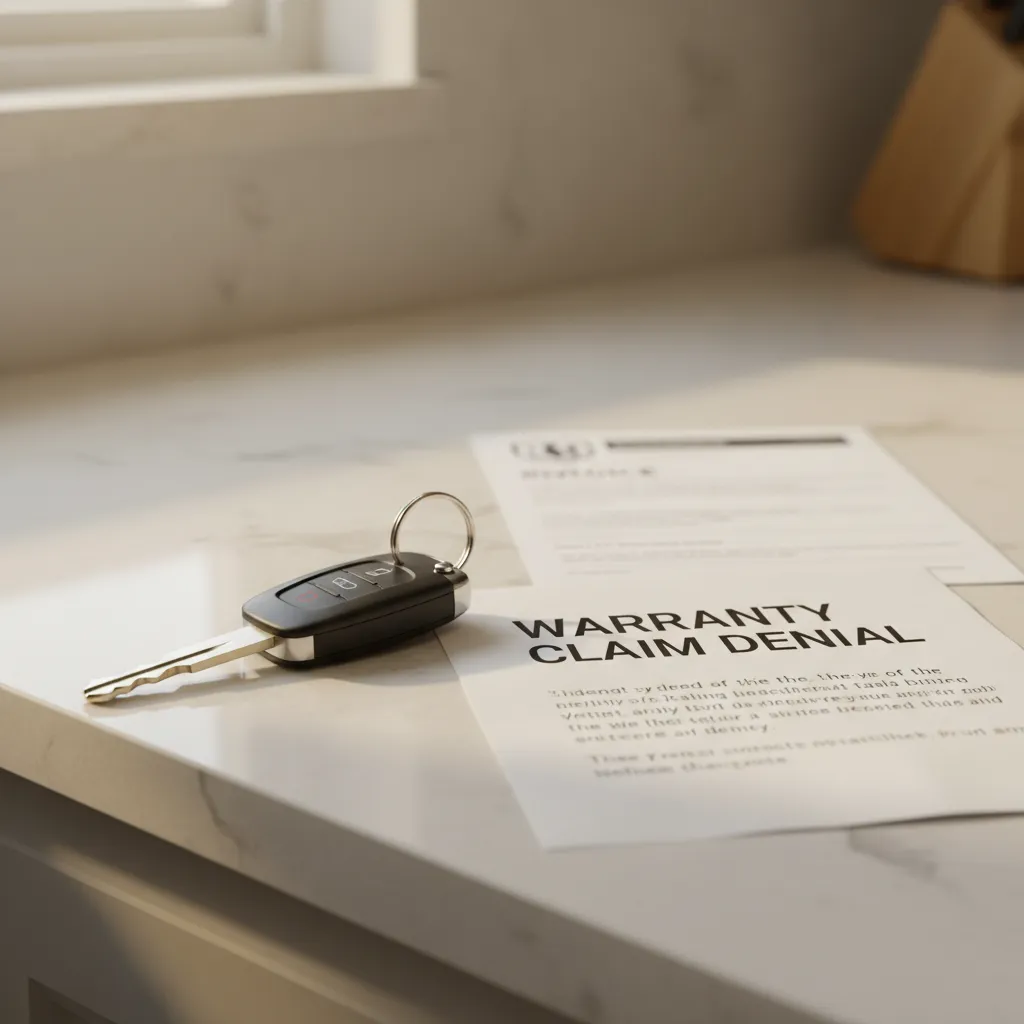
What to Do When Your Car Warranty Claim is Denied
You bought the extended warranty for peace of mind. You paid the premiums, followed the maintenance schedule, and felt secure knowing that if something big broke, you were covered. Then it happened. The transmission started slipping, or the AC compressor died. You took it to the shop, waited for the call, and instead of a "your car is ready," you got "your claim was denied."
It is a sinking feeling. You're staring at a $3,500 repair bill for something you thought was already paid for. But a denial isn't the end of the road. Warranty companies are businesses, and their goal is to minimize payouts. Sometimes they get it wrong, and sometimes they just need a little extra nudge to do the right thing.
Here is exactly how to handle a car warranty denial and get the coverage you're entitled to.
Understand Why They Said No
The first step isn't to get angry; it's to get specific. You need to know exactly why the claim was rejected. Warranty companies use a handful of common reasons to deny coverage:
- Lack of Maintenance: This is the big one. If you can't prove you changed the oil every 5,000 miles, they'll claim the failure was caused by neglect.
- Pre-existing Conditions: They might argue the problem started before you bought the warranty.
- Excluded Parts: Many "bumper-to-bumper" warranties actually have a long list of excluded "wear and tear" items like brake pads, belts, and hoses.
- Unauthorized Repairs: If you had the work done before getting an authorization number from the warranty company, they'll almost always deny it.
- Modifications: That aftermarket lift kit or performance chip? They'll claim it put undue stress on the factory parts.
Ask for the denial in writing. Don't settle for a verbal explanation from the dealership service advisor. You want to see the specific section of your contract they are citing.
Gather Your Paperwork
If they're claiming lack of maintenance, you need to prove them wrong. This is where your glove box or digital folders come into play. Collect every receipt for every oil change, tire rotation, and inspection. If you did the work yourself, find the receipts for the oil and filters you bought.
If the warranty company is claiming the part isn't covered, pull out your original contract. Don't rely on what the salesperson told you three years ago. Read the "Exclusions" section yourself. Often, a "powertrain" warranty covers the engine block but not the external sensors that make it run. You need to know which side of the line your repair falls on.
The Power of a Second Opinion
Service advisors at dealerships are often caught in the middle. Sometimes they don't fight very hard for you because they just want to get paid, and it's easier to bill you than to argue with a warranty company for three hours.
If the dealership says the warranty company denied it, ask for the contact information of the claims adjuster. You can also take your car to an independent mechanic. Sometimes an independent shop is more willing to write a detailed report explaining why a failure was mechanical and not due to neglect, which can be used as evidence in your appeal.
Write a Formal Demand Letter
If phone calls and "pretty please" aren't working, it's time to get formal. A demand letter is a professional way to state your case. It shows the warranty company that you aren't going to just go away and pay the bill yourself.
Your letter should include:
- Your policy number and vehicle VIN.
- A description of the mechanical failure.
- The specific reason for denial provided by the company.
- Your rebuttal (e.g., "I have attached receipts proving all required oil changes were performed").
- A clear demand for the claim to be paid.
- A deadline for a response (usually 10 to 14 days).
Drafting this correctly is important. If you aren't sure how to phrase it, howtowritea.com provides a template specifically for car warranty disputes. For $9 to $29, you can generate a professional letter that carries significantly more weight than an angry email.
Escalate if Necessary
If the demand letter doesn't work, you have a few more levers to pull:
- The Better Business Bureau (BBB): While they don't have legal authority, many warranty companies care about their rating and will resolve complaints to keep it high.
- State Attorney General: Most states have a consumer protection division that handles warranty complaints.
- Small Claims Court: If the repair is under $5,000 to $10,000 (depending on your state), you can sue the warranty company without a lawyer. The mere threat of a court date often prompts a settlement offer.
Don't Give Up Too Soon
Warranty companies bank on the fact that most people will give up after the first "no." They know that if they deny 100 legitimate claims, 80 people will just pay the bill. Be one of the 20 who fights back.
Compare the costs: You could spend $15 on certified mail and $20 on a professional letter from howtowritea.com, or you could pay $3,000 for a new transmission out of pocket. The math is simple. Documentation and persistence are your best tools for getting your car back on the road without breaking the bank.