
The Case of the Missing $2,400: How Marcus Got His Final Paycheck
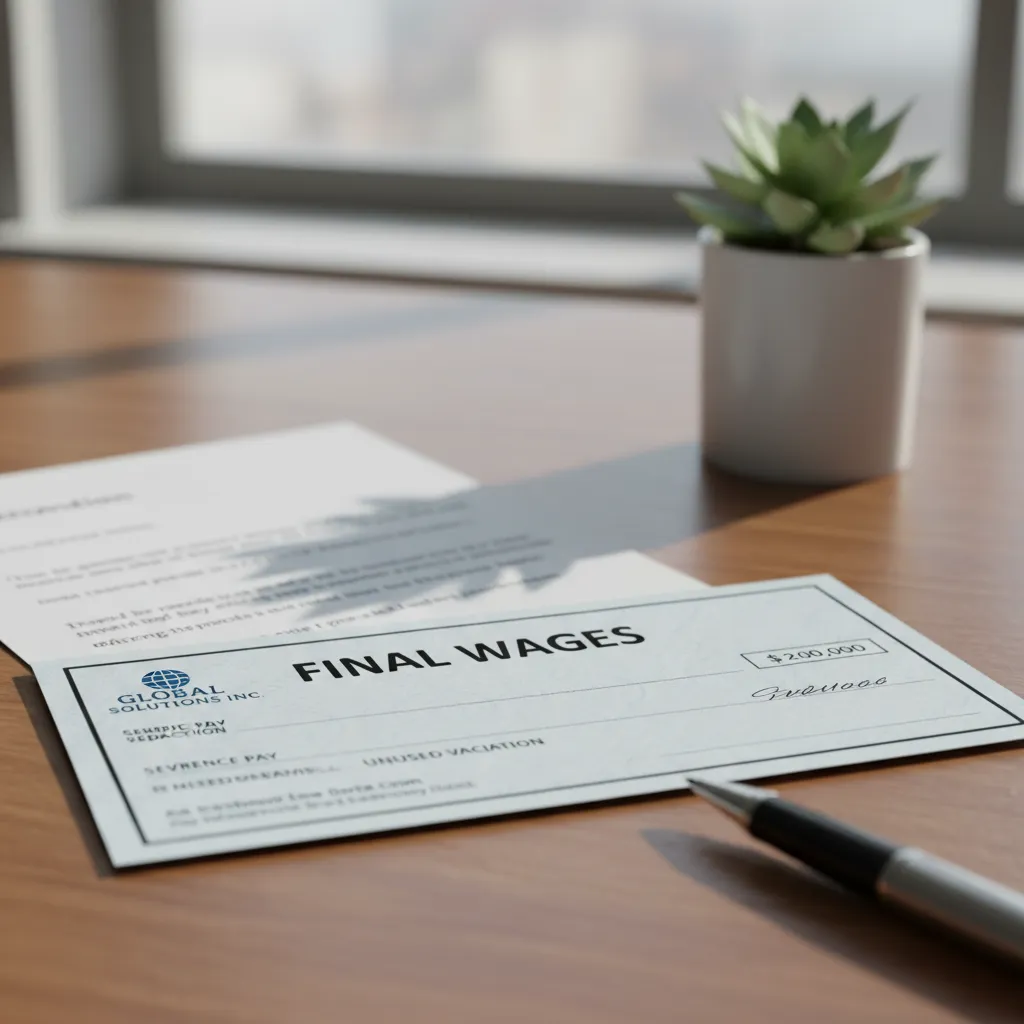
The Case of the Missing $2,400: How Marcus Got His Final Paycheck
Marcus had finally done it. After three years of grinding at a local logistics firm, he’d landed a supervisor role at a bigger company with better benefits. He gave his two weeks' notice, trained his replacement, and shook hands with his boss, Dave, on his final Friday. Everything seemed fine.
Then, payday came and went.
Normally, Marcus’s direct deposit hit at midnight on Thursday. This time, his balance didn't budge. He figured it was just a glitch since he was no longer an active employee, so he waited until Monday and sent a polite text to Dave.
“Hey Dave, hope the week is starting off well. I noticed my final direct deposit didn't go through. Could you check with HR on that for me? Thanks!”
Dave didn't reply. Marcus waited another two days and called the office. The receptionist told him Dave was "in meetings" all day. By the end of the week, Marcus was starting to worry. He had $2,400 in wages, unused vacation time, and a commissions check outstanding. He had a mortgage payment due on the 1st and a new car loan. He needed that money.
The "Check is in the Mail" Lie
When Marcus finally got Dave on the phone the following Monday, the tone had changed.
"Look, Marcus, we're still auditing your last few accounts. There were some errors in the paperwork you turned in. We'll send the check once the audit is complete."
Marcus knew this was nonsense. He had been a top performer. There was no "audit" required to pay for hours already worked. He realized Dave was being petty because he was annoyed Marcus had left for a competitor.
The Realization: It's Not Just Petty, It's Illegal
Marcus did some quick research. He discovered that in his state, an employer is required to provide the final paycheck within 48 hours if they fire you, or by the next scheduled payday if you quit. By withholding his pay for "audits," Dave was violating state labor laws.
Even worse for Dave, many states have "waiting time penalties." For every day the paycheck is late, the employer might owe the employee a full day's wages as a penalty, up to 30 days. Marcus’s $2,400 was potentially turning into much more.
Taking Action Without a Lawyer
Marcus thought about calling a lawyer, but a quick consultation confirmed that a lawyer would want a $1,000 retainer just to start. Marcus didn't have $1,000 to spare—that was the whole problem.
He found howtowritea.com and decided to try a formal demand letter first. He spent 10 minutes entering the details of his employment, his final day, and the exact amount he was owed. He also made sure to mention the specific state statute regarding late pay and the potential for waiting time penalties.
He sent the letter via Certified Mail. The total cost was less than $30.
The Result
The letter arrived at the logistics firm on a Thursday morning. Dave signed for it.
By Thursday afternoon, Marcus received an email from the company’s HR director—not Dave.
"Dear Marcus, there was a misunderstanding regarding the processing of your final distributions. A check for your full wages, vacation pay, and commissions ($2,412.50) has been cut and is available for pickup at the front desk, or we can overnight it to you."
Marcus didn't even have to go to court. The moment Dave and HR saw a professional letter citing the law and showing that Marcus knew about the penalties, they stopped playing games. They knew that if Marcus went to the Department of Labor, they would end up paying thousands more in fines and penalties.
What You Can Learn from Marcus
If you're staring at an empty bank account because an old boss is "forgetting" to pay you, remember these three things:
- Keep Your Cool: Don't get into a shouting match or send angry texts. It doesn't help and can be used against you later.
- Know Your State's Deadline: Every state has a specific law about when that last check is due. Look yours up—it's usually much sooner than you think.
- Formalize the Demand: A phone call can be ignored. A text can be deleted. A professional demand letter delivered by Certified Mail is a legal event that an employer cannot ignore.
If you’re in Marcus’s shoes, don't wait for your boss to "get around to it." Your time is valuable, and your wages are protected by law. Use a tool like howtowritea.com to send your demand today and get the money you've already earned.