
The Fence, the Shed, and the Survey: Resolving a Neighbor Encroachment
The Fence, the Shed, and the Survey: Resolving a Neighbor Encroachment
Jim and Linda had lived in their suburban home for fifteen years. They knew everyone on the block. When the house next door sold to a young couple, they were excited to have new neighbors. That excitement faded three months later when they came home to find a brand-new cedar fence being installed—eighteen inches onto their side of the property line.
When Jim pointed it out to the neighbor, Dave, he just shrugged. "The guy at the hardware store said this was the line. It's just a little bit of grass, Jim. Don't be that guy."
But Jim knew better. It wasn't "just a little bit of grass." It was a legal problem waiting to happen.
Why You Can't Just "Let it Go"
If someone builds something on your property and you don't object, you could eventually lose that land forever through a legal concept called "Adverse Possession." If Dave's fence stayed there for 10 or 20 years (depending on the state), that 18-inch strip of land could legally become Dave's.
Beyond that, when Jim and Linda eventually try to sell their house, a buyer's surveyor will notice the encroachment. The bank might refuse to issue a mortgage, or the buyer might demand a $10,000 price reduction to deal with the headache.
Encroachment isn't just a neighborly spat; it’s an attack on your home’s value.
Step 1: Get the Proof (The Survey)
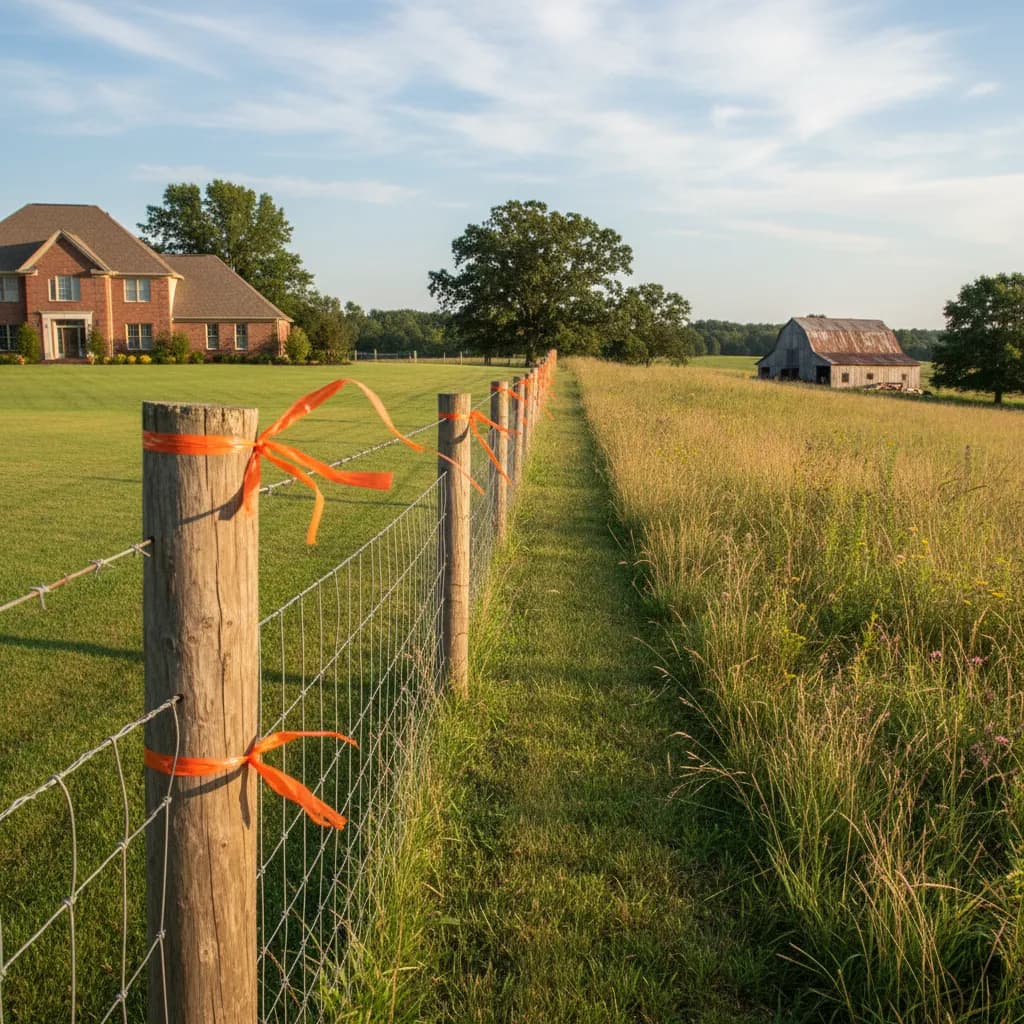
You cannot win an encroachment dispute with a "feeling" or by pointing at an old tree. You need a professional land survey. Jim hired a surveyor for $600. The surveyor found the original iron pins in the ground and marked the true boundary with bright pink stakes.
The stakes clearly showed that the new fence was indeed on Jim's property. With this map in hand, Jim had "the truth."
Step 2: The Informal Conversation (The "Olive Branch")
Jim tried one more time to talk to Dave. He showed him the survey map.
"Dave, I'm not trying to be a jerk, but the survey shows the fence is on my land. It's going to cause issues with my title and insurance. I need you to move the fence to the correct line."
Dave was still dismissive. "I'm not paying a contractor another $2,000 to move a fence I just built. If you want it moved, you sue me."
Step 3: The Formal Demand Letter
Jim didn't want to sue. A lawsuit would cost $5,000 in legal fees and take two years. Instead, he went to howtowritea.com and created a formal demand letter.
The letter was professional and firm. It included:
- A copy of the new survey.
- A clear description of the encroachment.
- A demand that the fence be removed or relocated within 30 days.
- A mention of "Adverse Possession" and the fact that Jim was protecting his legal title.
- A statement that if the fence wasn't moved, Jim would pursue legal remedies, including a court order for removal and a claim for legal fees.
For $29, Jim had a document that looked like it came from a law firm. He sent it via Certified Mail.
The Turning Point
When Dave received the Certified Mail, the reality of the situation finally set in. It wasn't just "Jim being annoying" anymore. It was a documented legal dispute. Dave's wife, who was a Realtor, saw the letter and realized Jim was right. If they ended up in court, they would lose, and they would likely have to pay Jim's legal fees on top of moving the fence anyway.
Ten days later, the fence contractor was back. They moved the fence eighteen inches to the left, exactly where it belonged.
What to Do if You're in Jim's Shoes
If a neighbor's shed, driveway, or fence is crossing your line, follow this roadmap:
- Don't wait. The longer the encroachment exists, the harder it is to remove.
- Get a survey. It is the only evidence that matters. A survey from 1985 might not be enough; get a fresh one.
- Be professional. Avoid shouting matches. Keep all your communication in writing.
- Use a demand letter. A professional letter from howtowritea.com bridges the gap between a friendly chat and an expensive lawsuit. It shows you are serious without burning the bridge entirely.
Common Encroachment Scenarios
- The Overhanging Roof: A neighbor's new addition has an eave that hangs over your property. Even if nothing touches the ground, this is an encroachment.
- The Poured Driveway: A neighbor paves their driveway and "widens" it onto your dirt.
- The Retaining Wall: A wall built to stop erosion that slowly leans or migrates onto your lot.
In all these cases, a formal demand is your best first step. Most neighbors will cooperate once they realize you have a survey and are prepared to defend your property rights.
Your home is likely your biggest investment. Don't let a neighbor's "just a little bit of grass" attitude turn into a permanent loss of your land.